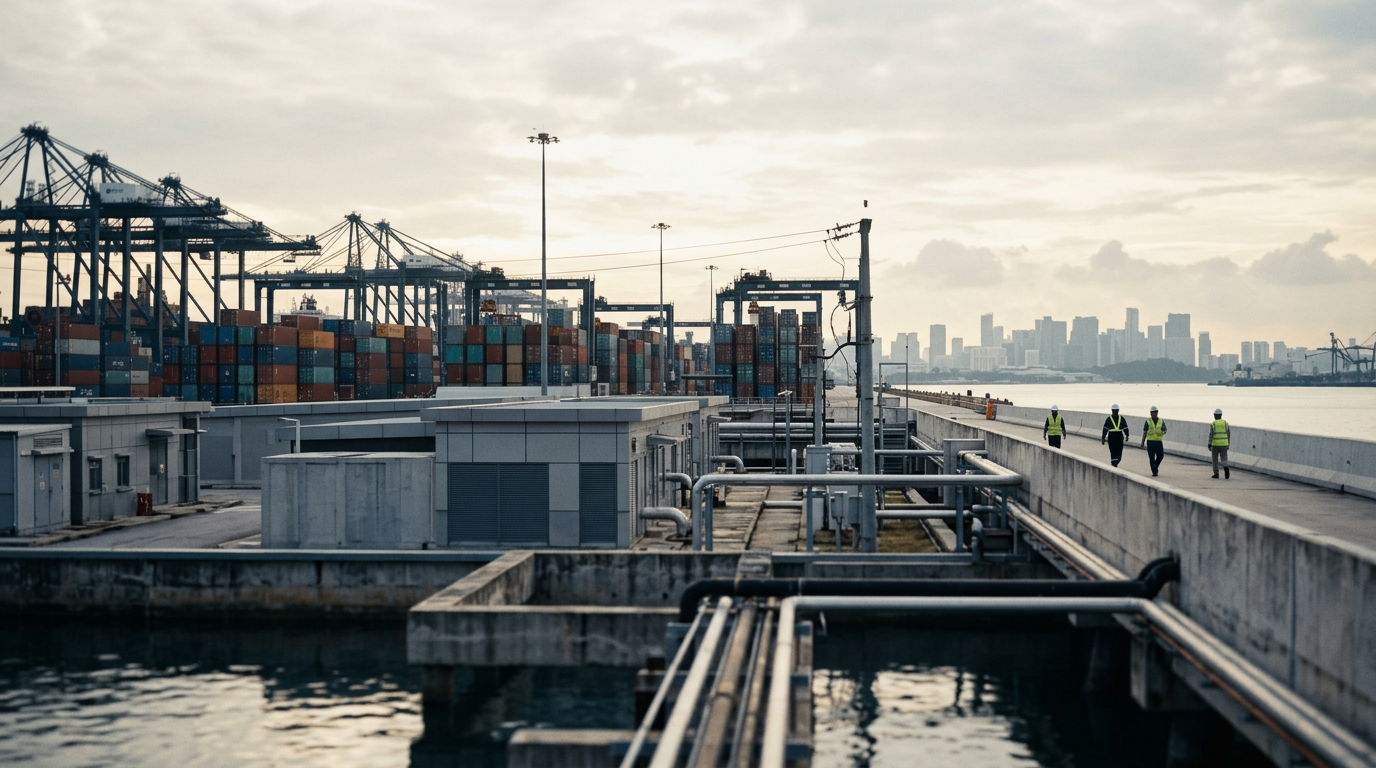
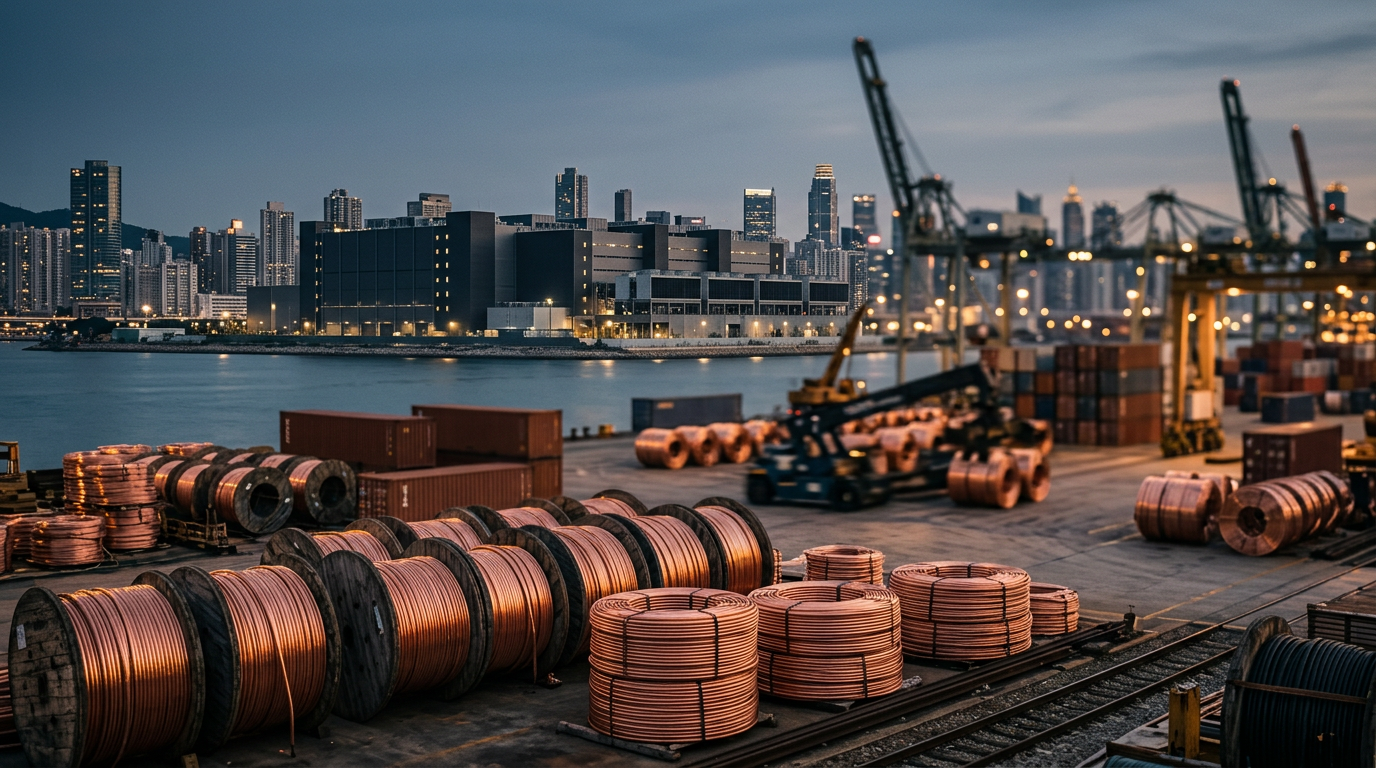
The Battery Bottleneck for Southeast Asian Data Centers
The rise of AI and data centers in Southeast Asia is creating a secondary demand boom for batteries, but a lack of coordinated planning for power and infrastructure could throttle growth.
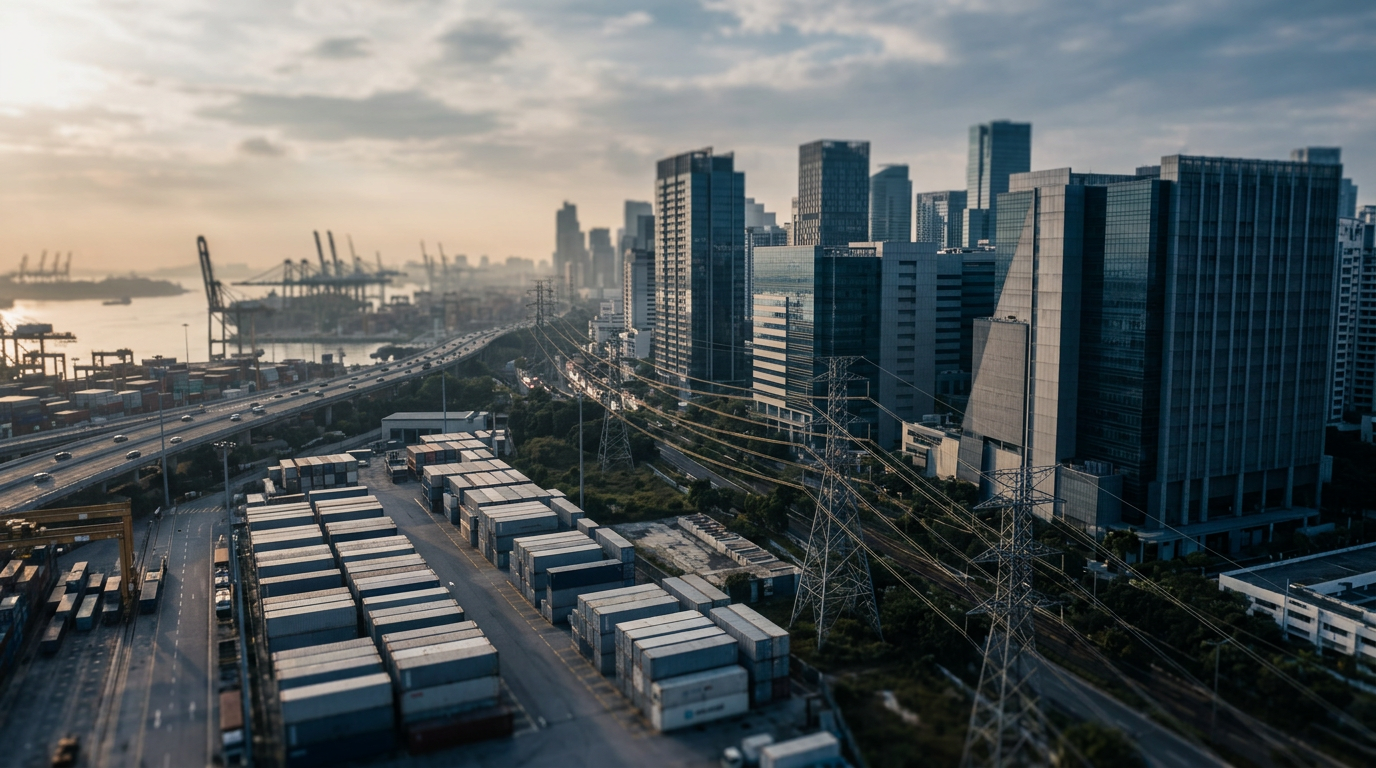
Southeast Asia's ambitions to become a global hub for artificial intelligence and data centers are creating a secondary boom for an adjacent industry: battery storage. As reported in the Bangkok Post, the intense power demands of these facilities are driving a surge in demand for batteries, expanding the market beyond the electric vehicle sector.
Data centers require uninterrupted, high-quality power. This makes battery systems for backup power not just a component, but a core piece of infrastructure. The scale of investment in data centers across the region, particularly in markets like Malaysia and Indonesia, is therefore directly translating into a new and growing market for industrial-scale batteries. This demand is layered on top of the already significant requirements from the electric vehicle industry, creating a compound growth effect for battery manufacturers and suppliers in the region.
Capital and Coordination
The rising demand for batteries, however, highlights a more fundamental issue for the region's digital infrastructure ambitions: the coordination of industrial inputs. Building a data center is not merely a question of securing land and servers. It requires a confluence of reliable power, robust connectivity, and favorable regulatory planning. As the book "ASEAN Rising" notes, "Capital coordination is itself an industrial input." Without this, even abundant resources cannot guarantee a project's success.
The challenge for Southeast Asian nations is to ensure that the development of power generation, transmission, and storage infrastructure keeps pace with the private sector's appetite for building data centers. A lack of grid stability or an inability to deliver the required power loads can render a location unviable, no matter how attractive it seems otherwise. This is where state-level planning and utilities must move in concert with private investment. Where these elements are aligned, as seen in parts of Malaysia, hyperscale facilities follow. Where they are disjointed, projects can falter.
Beyond Cheap Power
The battery boom underscores that cheap electricity alone is not enough to attract and sustain the data center industry. The quality and reliability of that power are paramount. Data center operators are increasingly sophisticated, evaluating potential sites not just on the cost per kilowatt-hour, but on the resilience of the entire energy ecosystem. This includes the grid's stability, the availability of backup power solutions like batteries, and the long-term plan for sustainable energy sources.
This is a critical distinction for economic planners across the region. While competitive energy pricing is an advantage, it cannot compensate for a fragile grid or a lack of integrated infrastructure planning. The conversation is shifting from pure cost to one of operational resilience. Countries that can demonstrate a coordinated approach between their energy providers, industrial park developers, and digital connectivity agencies will be better positioned to capture high-value data center investments. The presence of a strong battery supply chain is an indicator of this deeper industrial capability.
What to watch
Moving forward, observe whether national energy policies and grid modernization plans in countries like Thailand, Indonesia, and Vietnam are explicitly linked to their digital economy and data center strategies. The degree to which public utilities and private investors can coordinate on power infrastructure, including large-scale battery storage projects, will determine the pace and scale of the region's growth as a data center hub. A failure to align these efforts risks creating a significant bottleneck, where the demand for digital services outstrips the capacity of the underlying power infrastructure to support it.