Thailand
Thailand doubles down on FTAs, but China trade needs managing
Thailand is pursuing more free trade agreements to boost exports and attract investment. This strategy aligns with a broader ASEAN trend, but it also deepens the challenge of managing economic dependency on China.
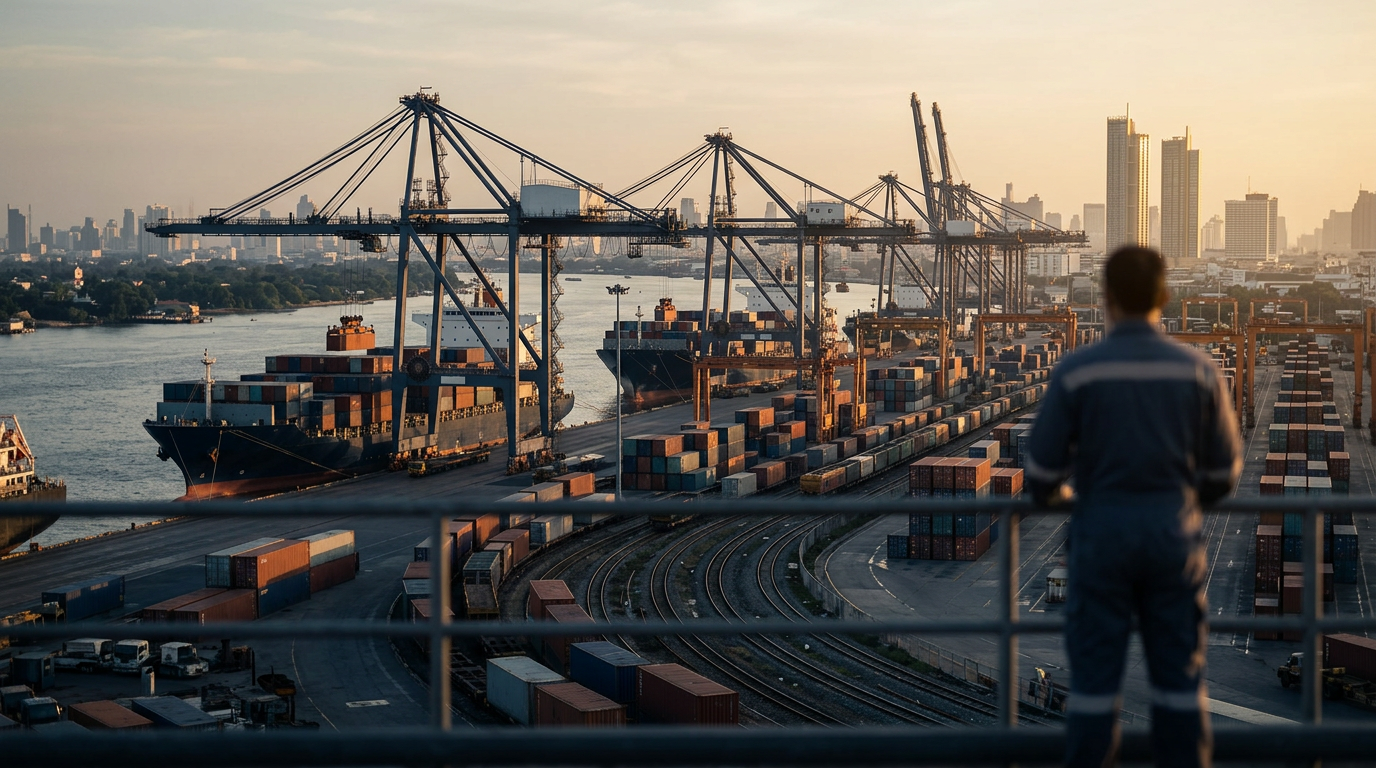
A recent Bangkok Post report on Thailand's renewed push for more free trade agreements (FTAs) highlights a core tension for all ASEAN economies: how to secure growth through trade while managing deep, structural dependency on China. The Thai government aims for FTAs to help local businesses integrate into global supply chains and expand export markets, a classic strategy for a trade-reliant economy. The initiative underscores a regional dynamic explored in ASEAN Rising: for member states, "trade depth with China is now a structural feature, not a cyclical one." The focus has shifted from seeking engagement to managing its consequences.
Institutions and execution
Thailand's FTA strategy is a case study in how ASEAN members use institutional frameworks to enhance their economic position. By pursuing new agreements and deepening existing ones, the government is creating formal structures to facilitate trade and investment. This includes navigating complex negotiations and ensuring that domestic regulations align with international standards. The execution of these agreements is where the real work lies. It requires not just signing documents but also building the capacity of Thai businesses to meet the requirements of new markets and compete effectively. This involves providing information, training, and support to help firms take advantage of lower tariffs and reduced trade barriers.
Capital and infrastructure
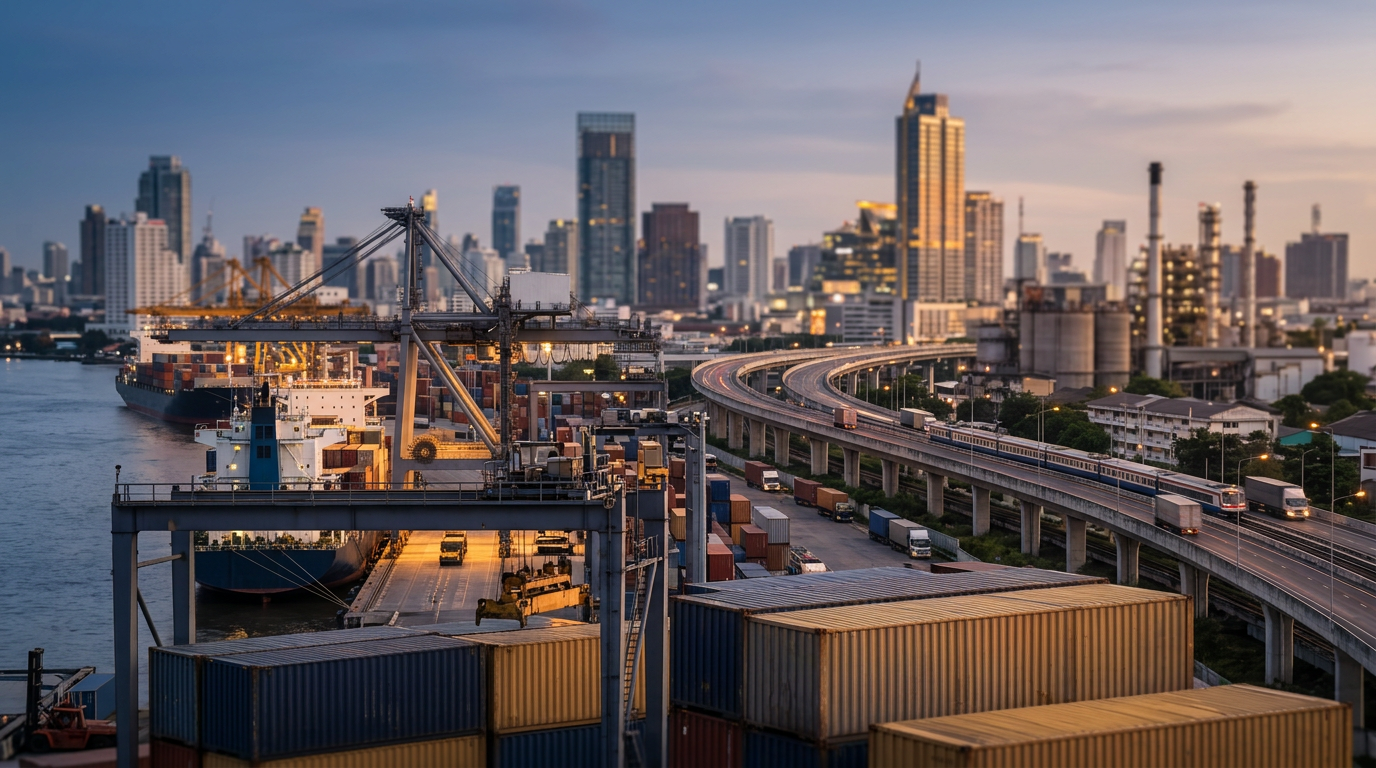
Attracting foreign investment is a stated goal of the FTA push, directly targeting the capital pillar of economic growth. FTAs provide predictability and legal security, which are attractive to foreign investors looking to build factories, establish service centers, or invest in local infrastructure. For Thailand, this means positioning itself as a stable and reliable hub within ASEAN. The quality of its domestic infrastructure-ports, roads, and digital networks-is a determinant of its ability to absorb and leverage this incoming capital. Efficient infrastructure allows goods to move quickly from factory to port, connecting Thai producers to the global supply chains the FTAs are designed to access.
Managing dependency
The ever-present backdrop to these FTA initiatives is the scale of the China trade relationship. While new agreements with other partners can diversify markets, they do not diminish the sheer volume of trade with China. This creates a managed dependency. ASEAN nations, including Thailand, must balance the economic benefits of their relationship with Beijing against the strategic risks of over-reliance. The institutional frameworks of FTAs are one tool for this, creating a rules-based buffer and strengthening ties with a wider range of global partners. It is a pragmatic approach to a structural reality, seeking to maintain as much economic and political optionality as possible.
What to watch
Observe how Thailand and other ASEAN members structure new trade agreements. The specific provisions around rules of origin, digital trade, and investment protection will indicate their priorities. Also, monitor the domestic programs implemented to help small and medium-sized enterprises (SMEs) capitalize on these FTAs. The success of this strategy will depend not just on the treaties themselves but on the ability of the broader economy to adapt and compete.