Thailand
Thailand Bets on Airport Upgrades to Anchor Growth
Thailand plans to upgrade its regional airports to boost tourism and investment. This infrastructure push highlights the connection between state capacity and economic outcomes, a central theme in "ASEAN Rising".
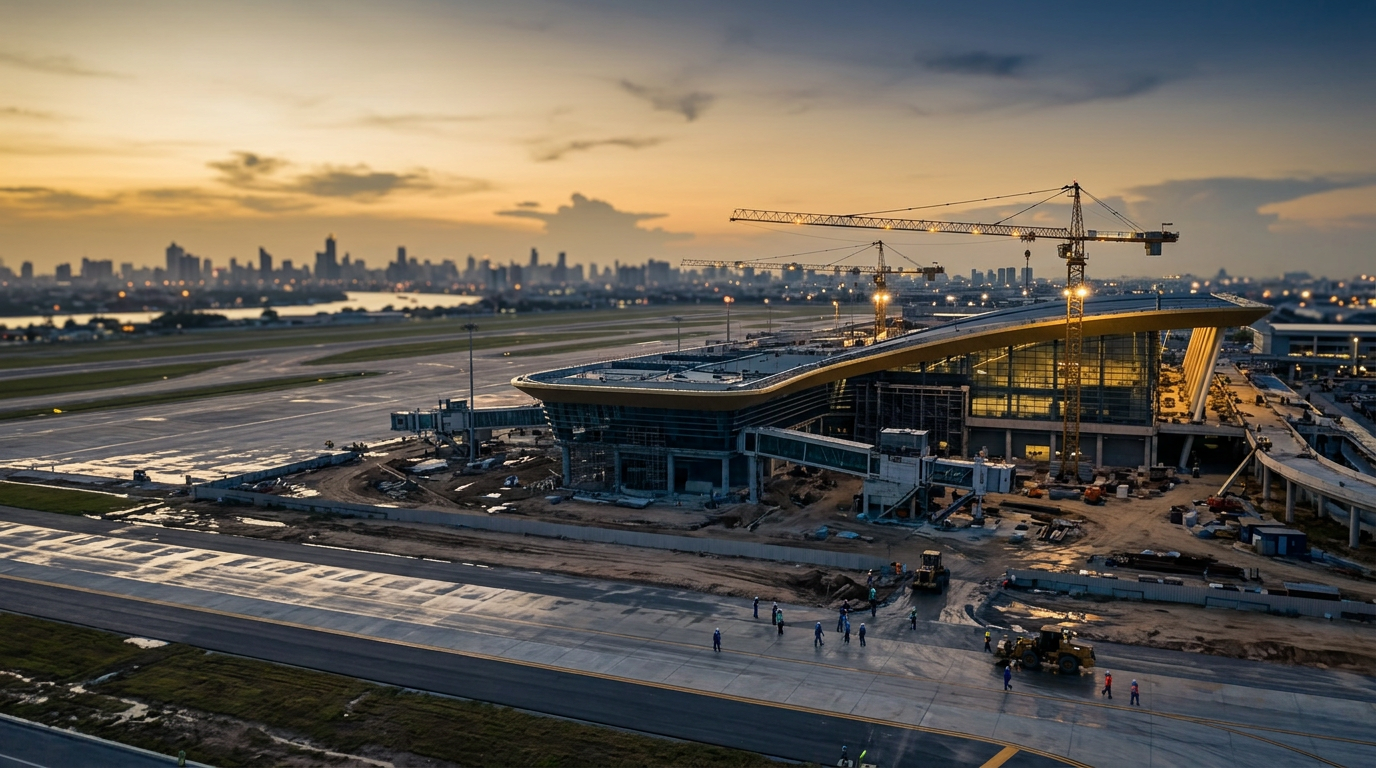
Thailand's plan to upgrade its regional airports, as reported by the Bangkok Post, is a calculated move to stimulate economic growth through targeted infrastructure development. The government aims to transform these airports into gateways that can attract a greater flow of tourism and investment. This initiative is not merely about construction; it is a direct reflection of a state exercising its capacity to build and, in doing so, to shape its economic future.
Infrastructure as Strategy
The airport upgrade program is a classic example of using infrastructure as a tool for economic policy. By enhancing facilities, expanding flight routes, and integrating new technologies, Thailand seeks to distribute the benefits of its thriving tourism sector more widely across the country. This goes beyond the primary hubs, aiming to create new economic centers. As explored in ASEAN Rising, the ability of a state to deliver on such projects is a powerful indicator of its institutional strength. An airport that is completed on schedule and within budget does more than just facilitate travel; it signals a reliable and capable state, which in turn builds investor confidence.
State Capacity and Execution
The success of this ambitious plan hinges on execution. Building and upgrading airports is a complex undertaking that tests a government's ability to manage large-scale projects, coordinate multiple agencies, and ensure that funds are used effectively. Institutional friction can be a significant impediment, leading to delays and cost overruns that diminish the projected returns. The book emphasizes that "infrastructure that arrives on time signals more than infrastructure that is merely announced." The true measure of this policy will be in its implementation-the tangible results of construction and the measurable impact on regional economies. A state that can consistently deliver on its promises demonstrates a high level of institutional reliability.
From Concrete to Capital
The ultimate goal of the airport upgrades is to attract capital and talent, transforming physical infrastructure into economic opportunity. A well-connected region is more attractive to businesses looking to invest and individuals seeking to travel or relocate. The project's success will depend on whether the upgraded airports can integrate seamlessly into the broader economic fabric, supporting industries beyond tourism, such as logistics, manufacturing, and services. This connection between infrastructure and economic diversification is a core element of sustainable development. The capacity to not just build, but to build what the market needs, is what distinguishes effective state-led development.
What to watch: Observers should monitor the project timelines and budget adherence for the airport upgrades. The key indicators of success will be the launch of new international routes from these regional airports and a corresponding increase in foreign investment in the provinces they serve. The government's ability to manage these complex projects will provide a clear case study on the importance of state capacity in achieving national development goals.