Thailand
Thailand and the FDI Long Game
Thailand's Board of Investment has been a central architect of the country's economic rise. As it marks its 60th anniversary, the test is not in attracting headline FDI, but in converting those announcements into realised investment on the ground.
As the Thailand Board of Investment (BOI) celebrates its 60th anniversary, it is marking the occasion by positioning itself for a future-focused, sustainable new economy, according to a recent announcement. The BOI has been a central architect of Thailand's modern economy, steering the nation from a primarily agrarian society to a significant industrial and manufacturing hub in Southeast Asia.
Today, its strategy is centered on attracting investment in high-tech, green, and innovative sectors. The agency has been instrumental in making Thailand a prime destination for foreign direct investment (FDI), particularly in the automotive and electronics industries. The "Thailand 4.0" initiative reflects this ambition, aiming to elevate the country's economic structure towards value-added, technology-driven industries. This requires a sophisticated approach to investment promotion, one that goes beyond simple tax incentives to building a comprehensive ecosystem for growth.
From Announcements to Assets
The work of an investment promotion agency is often measured by headline-grabbing FDI announcements. These figures are a useful barometer of investor interest and confidence. However, the more difficult and substantive work lies in converting those announcements into tangible, productive assets on the ground. As the book "ASEAN Rising" notes, "FDI announcements travel quickly. Realised flows depend on the slower work of land, permits, power and talent reaching the ground."
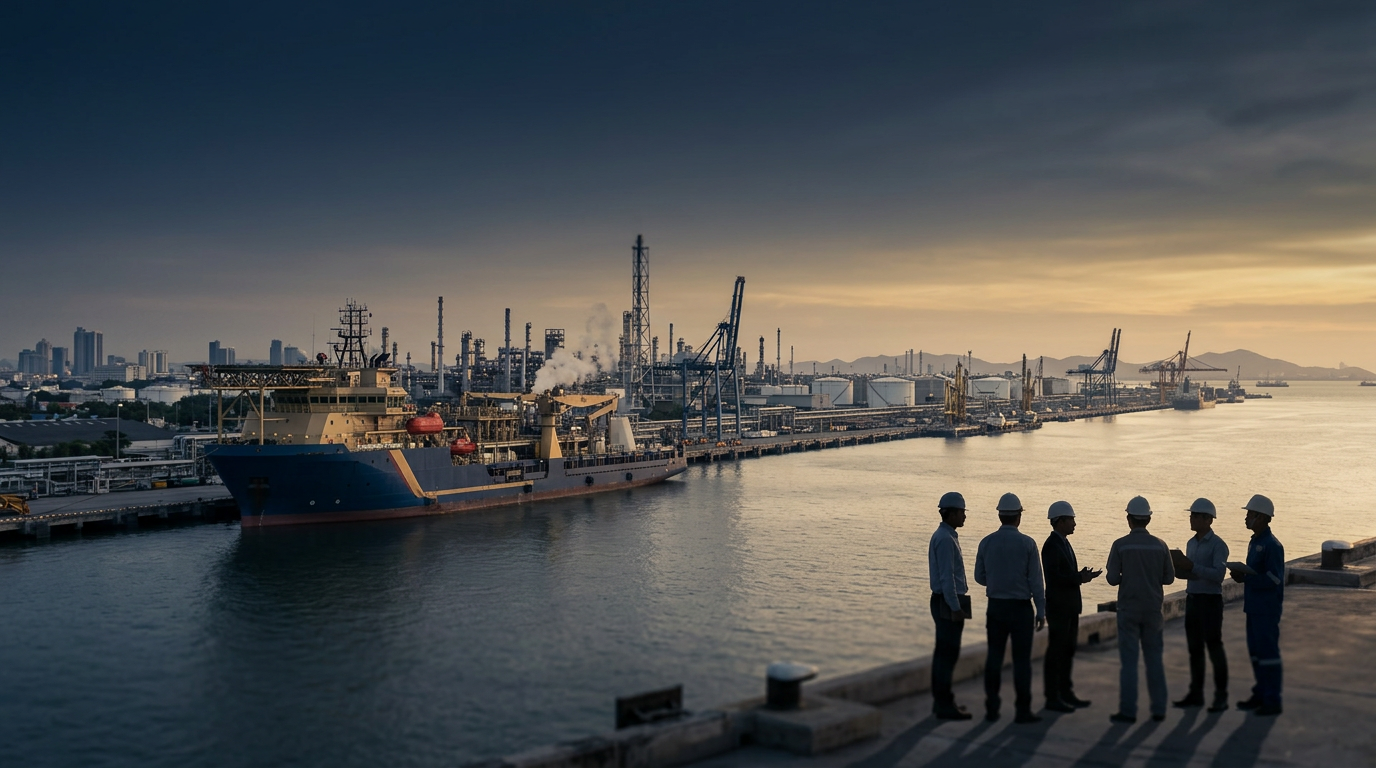
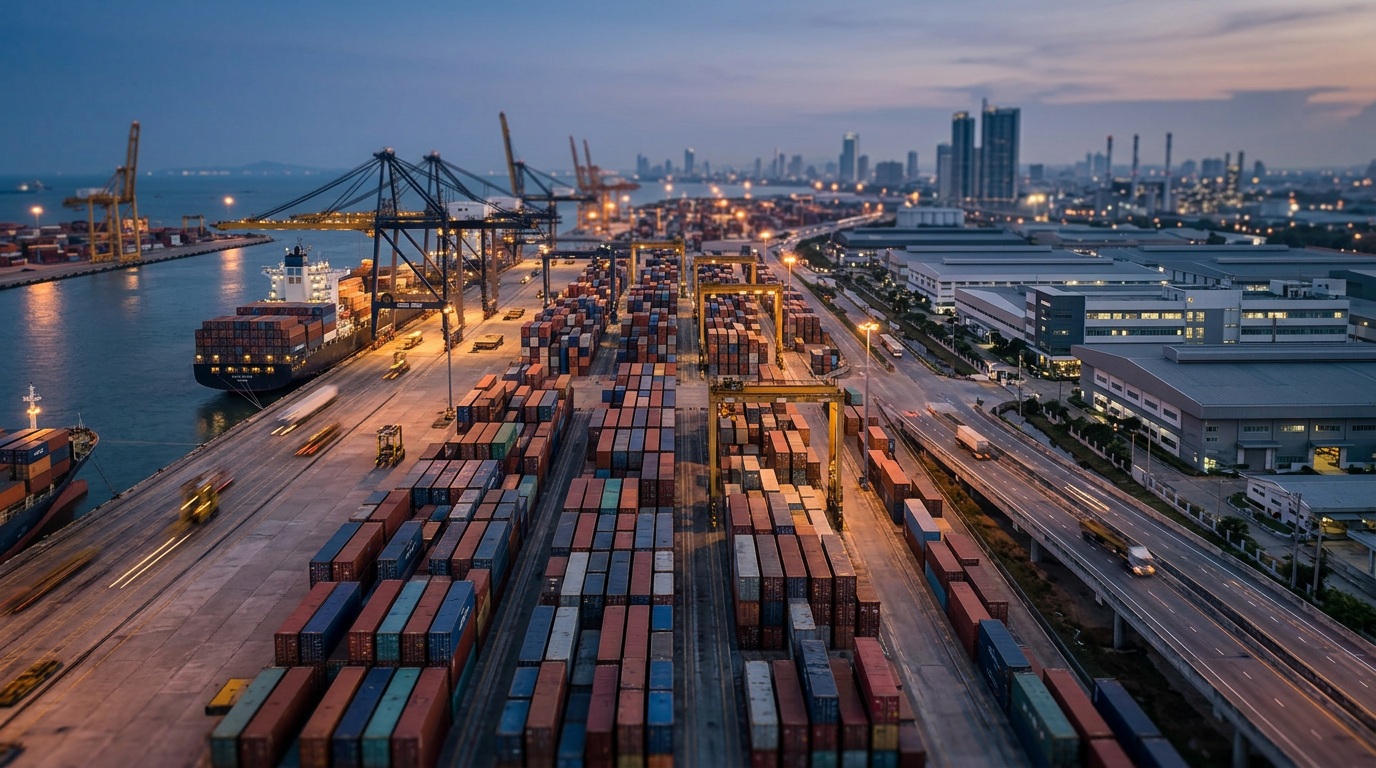
This is where an institution like the BOI proves its long-term value. Its role extends far beyond marketing Thailand as an investment location. It involves the complex, behind-the-scenes coordination required to ensure that a project can be executed successfully. This includes securing suitable land, navigating the thicket of local and national permits, ensuring reliable access to industrial-grade power and water, and developing a workforce with the right skills. The success of Thailand's Eastern Economic Corridor (EEC) is a testament to this integrated approach, where infrastructure, regulatory frameworks, and human capital development are planned in concert to support specific industries.
Institutions and Execution
The longevity and success of the BOI underscore the importance of stable, competent institutions in economic development. For 60 years, the agency has provided a degree of predictability and professionalism that investors require. It acts as a crucial interface between foreign capital and the domestic bureaucracy, streamlining processes and mitigating risks. This institutional capacity is a significant competitive advantage.
Other ASEAN nations have their own investment promotion bodies, each with varying degrees of success. The common thread is that attracting capital is only the first step. The real differentiator is execution. Can the host country deliver the infrastructure and skilled labor promised in the pitch deck? Is the regulatory environment stable and transparent? The ability to answer these questions affirmatively separates the nations that merely attract fleeting interest from those that build deep, lasting industrial capabilities. The BOI's sustained effort in this area has been a cornerstone of Thailand's economic resilience and adaptability, from the "tiger economy" era of the 1980s and 90s to the current push into the digital and green economies.
What to watch
As Thailand pushes into its next economic phase, observe how the BOI and other government bodies align their strategies to address persistent challenges. The focus will be on tangible outcomes: the quality of vocational training programs, the speed of utility connections for new industrial parks, and the efficiency of the one-stop-shop services for investors. The agency