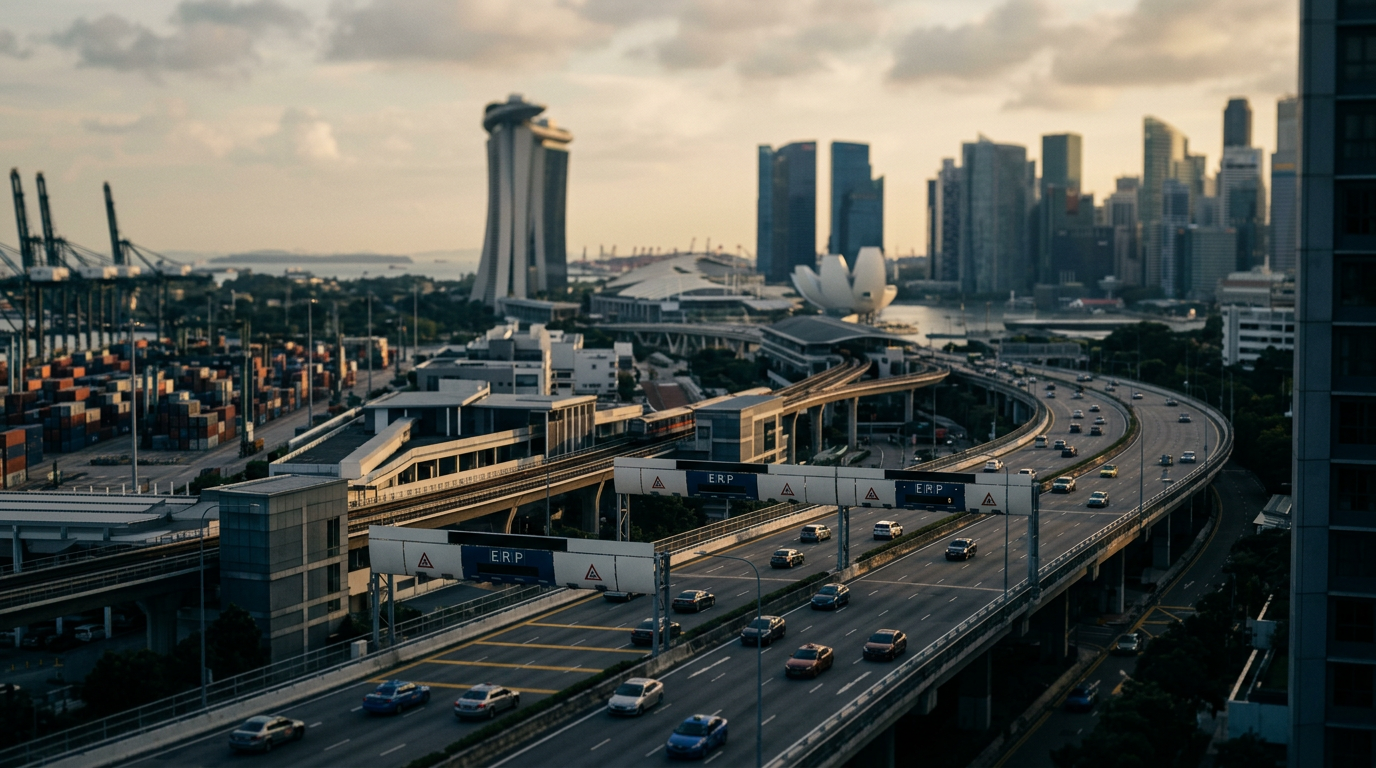
Singapore
Singapore, Trust, and Trade Friction
A recent US trade report identifying Singapore in a "shadow transshipment network" for Chinese goods puts the city-state's institutional reliability to the test.
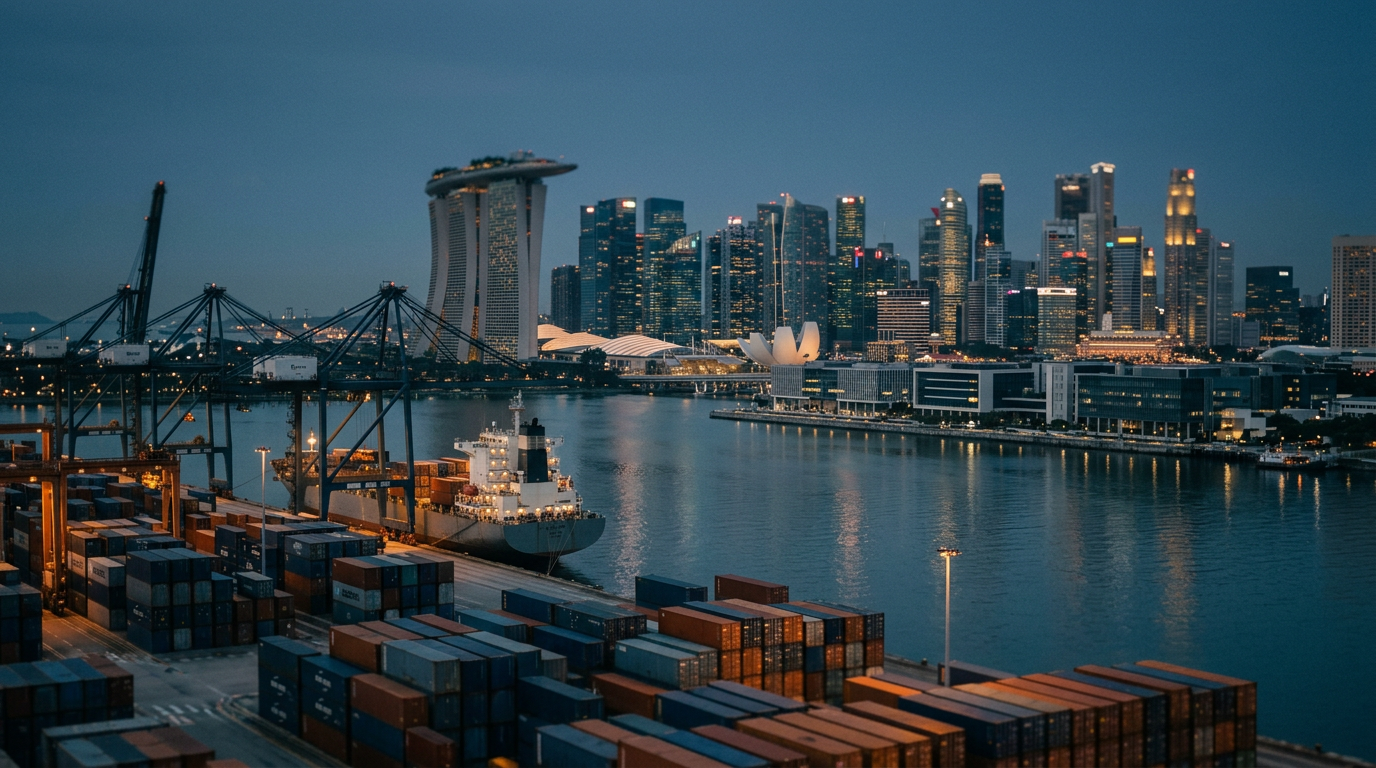
A recent report from the United States has identified forty economies, including Singapore, as alleged participants in a "shadow transshipment network" for Chinese goods, as reported by the Business Times. The claim is that Chinese producers are routing goods through these intermediate economies to obscure their origin and avoid US tariffs. While the specifics of Singapore's involvement are not detailed, the allegation itself puts a spotlight on the institutional frameworks that underpin its status as a global trade hub.
Institutions and Frictions
Global trade is a system built on trust and the reliable functioning of institutions. Exporters, importers, and logistics firms depend on predictable customs procedures, transparent tariff schedules, and the consistent application of rules of origin. When these systems are perceived to be compromised, whether through deliberate circumvention or lax enforcement, friction enters the system. This friction adds costs, introduces uncertainty, and ultimately erodes the trust that facilitates efficient commerce.
For a nation like Singapore, whose economic model is predicated on being a trusted, neutral, and efficient node in global supply chains, such allegations represent a significant concern. The city-state's success is not based on manufacturing prowess or a large domestic market, but on the quality of its infrastructure, both physical and institutional. As the book ASEAN Rising notes, "Institutional reliability has become part of comparative advantage." Any suggestion that this reliability is being exploited to circumvent the trade regulations of a major partner like the US threatens this core value proposition.
State Capacity on Display
How a state responds to such challenges is a direct measure of its capacity. A strong state can and does enforce its laws, regulate its ports, and ensure the integrity of the documentation that flows through its systems. Singapore's authorities will be expected to investigate these claims thoroughly. A robust and transparent response would involve examining customs data, engaging with logistics providers, and cooperating with US counterparts to verify or refute the allegations. This is the quiet, essential work of governance that maintains a country's standing.
The alternative-inaction or denial without investigation-would risk damaging Singapore's reputation. If transshipment is indeed happening on a scale that circumvents international trade rules, it suggests a failure of enforcement. This is not just a diplomatic issue; it is a direct challenge to the country's business model. Global firms choose Singapore as a base precisely because they trust its systems. A failure to demonstrate effective state capacity in this instance could lead them to question the reliability they once took for granted.
The Cost of Doubt
Trade disputes in the modern era are often fought not with tariffs, but with accusations that sow doubt and create administrative hurdles. The US report, by naming Singapore, injects a new element of risk for companies using its transshipment facilities. Shippers and their customers may now face heightened scrutiny from US customs, leading to potential delays and increased compliance costs. This is how trade friction manifests in practice. The mere suggestion of impropriety can be enough to divert trade flows and investment, even before any formal sanctions or penalties are imposed.
Singapore's economic advantage is built on minimizing these frictions. Its port is efficient, its customs are predictable, and its legal system is reliable. The value of this ecosystem is its seamlessness. The US allegation, regardless of its ultimate merit, threatens to introduce a new layer of complexity. It forces Singapore to expend resources to reaffirm its trustworthiness, a quality that was previously assumed. A usable state, as argued in ASEAN Rising, is one where infrastructure and institutions function as promised, without unwelcome surprises.
What to watch
The immediate focus will be on the official response from Singapore's government and its trade-related agencies. A quiet but diligent investigation, followed by a clear statement of findings and any corrective actions, will be the expected course. The longer-term issue is how Singapore and other ASEAN trading hubs will navigate the increasing weaponization of trade compliance as a tool in the ongoing US-China rivalry. Their ability to demonstrate robust institutional oversight and maintain trust will determine their continued success in a world of growing economic friction.