Singapore
Singapore, State Capacity, and the Cost of Friction
Singapore's recent move to mandate the declaration of the true country of origin for transshipped goods is a clear assertion of its institutional reliability. When trust is a variable, a usable state with clear rules is a better bet than an exciting one with regulatory ambiguity.
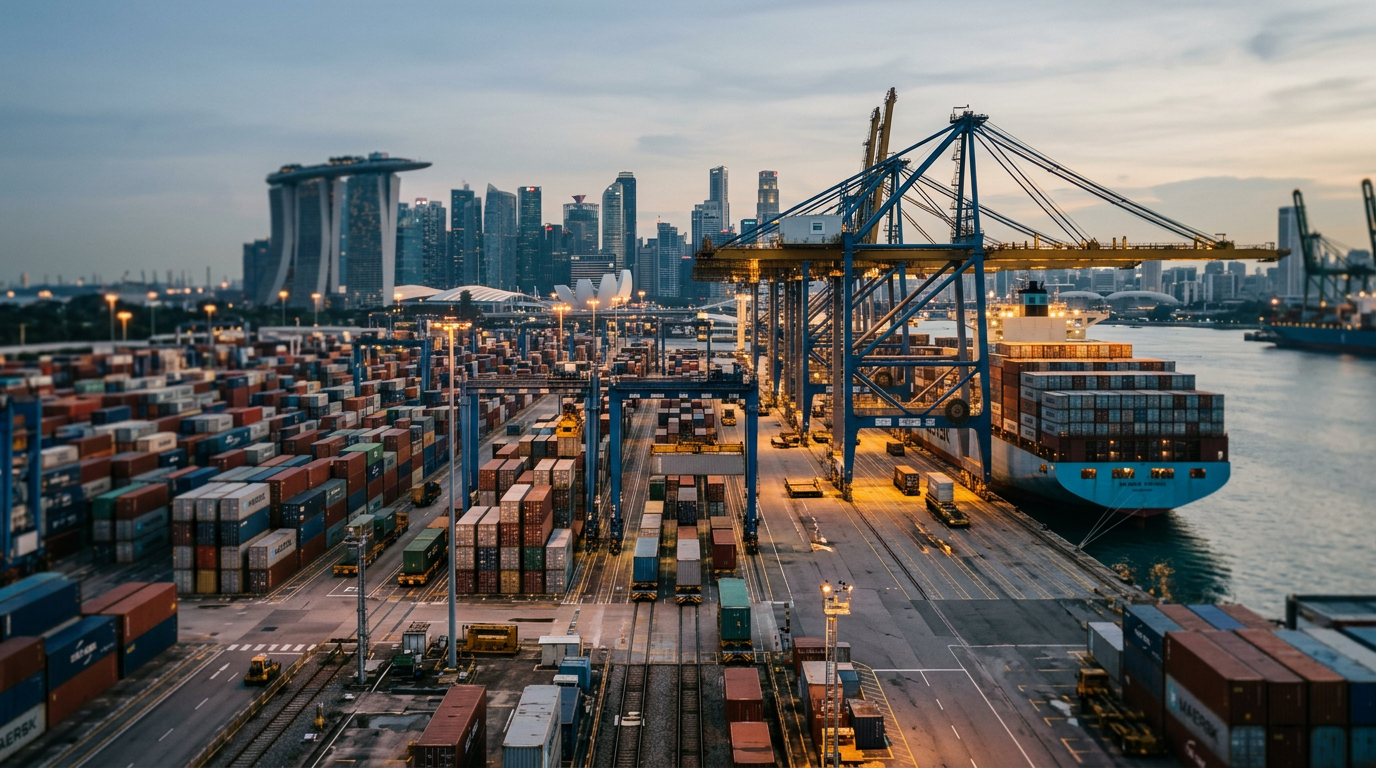
Singapore's Ministry of Trade and Industry (MTI) will now require firms transshipping goods to declare their true country of origin. The move, reported by The Straits Times, adds a new layer of compliance for one of the world's busiest trade hubs. It is a direct response to a White House report on trade integrity concerns, particularly regarding Chinese entities. While it introduces new checks, this policy is a clear expression of Singapore's core value proposition: institutional quality as a competitive edge in global trade.
Institutions and Trust
In a global economy where supply chains are increasingly scrutinized for geopolitical and ethical risks, trust is a tangible asset. Singapore's policy adjustment is a deliberate move to reinforce that trust. By compelling transparency in transshipment, Singapore is not just complying with the expectations of a security partner like the United States; it is signaling to global shippers, financiers, and insurers that its infrastructure is reliable and operates under a clear, enforceable rule of law. This aligns with a central theme of ASEAN Rising: institutional reliability is a form of comparative advantage. A predictable, well-regulated port is a bankable asset for companies navigating an uncertain world. The cost of friction in trade is not just about tariffs and shipping times; it includes the cost of regulatory risk, uncertainty, and potential reputational damage. Singapore is actively working to lower this cost for the firms that use its hub.
State Capacity on Display
Announcing a new rule is simple. The effective implementation and enforcement of that rule are what demonstrate true state capacity. Singapore has a well-earned reputation for administrative competence. The country's trade and customs authorities have the systems and the mandate to execute this new requirement effectively. This is the difference between stated policy and delivered reality. As the book notes, "Infrastructure that arrives on time signals more than infrastructure that is merely announced." In this case, the 'infrastructure' is not physical but institutional. The effective enforcement of origin declaration rules is a direct signal to the market. It tells global business that Singapore's status as a premier hub is built on more than just location and capacity; it is built on a foundation of credible governance. This capacity to execute policy is a core component of the nation's economic strategy.
The Regional Context
This policy is not being enacted in a vacuum. Other logistics hubs in Southeast Asia will be watching closely. Some may see an opportunity to attract shipments from entities looking to avoid this new layer of scrutiny. However, this is a short-term and risky calculation. The global trend is toward greater transparency and resilience in supply chains. Major importers in North America and Europe are under increasing pressure to verify the origin of their goods. By aligning with this trend, Singapore is positioning itself for the future of global trade, not the past. For other ASEAN nations, this presents a clear choice: compete on regulatory laxity or compete on institutional quality. As capital becomes more discerning, the latter is the more sustainable path to building high-value trade infrastructure.
What to watch: The key indicator of success for this policy will be its execution. Observers should monitor not just the official statements but the quiet, behind-the-scenes work of customs officials and the response of the global logistics industry. Note any changes in shipping patterns in the region, and watch how other ASEAN trade hubs adapt their own customs and transshipment regulations in the coming months. The data will show whether this move reinforces Singapore's position or creates openings for its competitors.