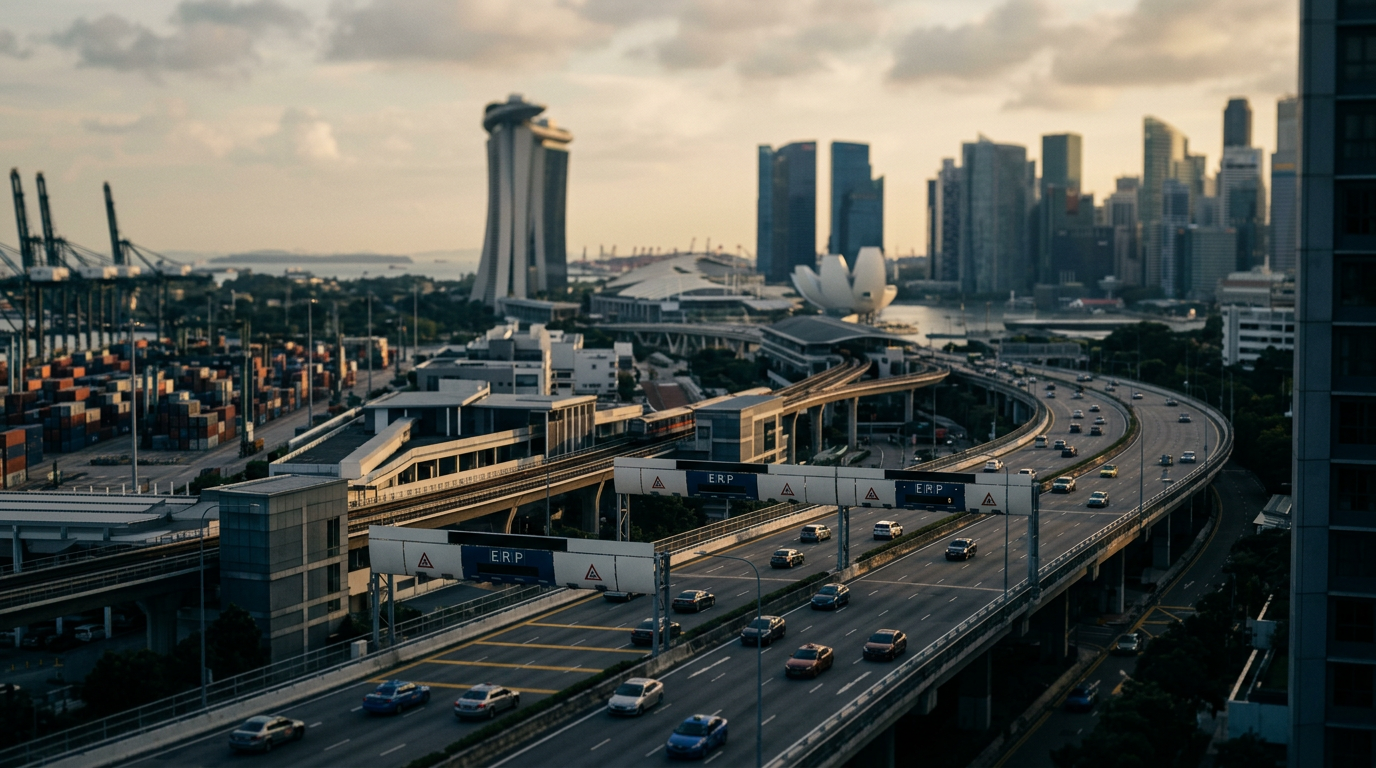
Singapore
Singapore's GDP Beat And The Limits Of Scale
A strong GDP result from Singapore is a welcome sign for ASEAN, but the city-state's future growth depends on how it manages constraints in land, labour and energy, and on the institutional capacity of its larger neighbours.
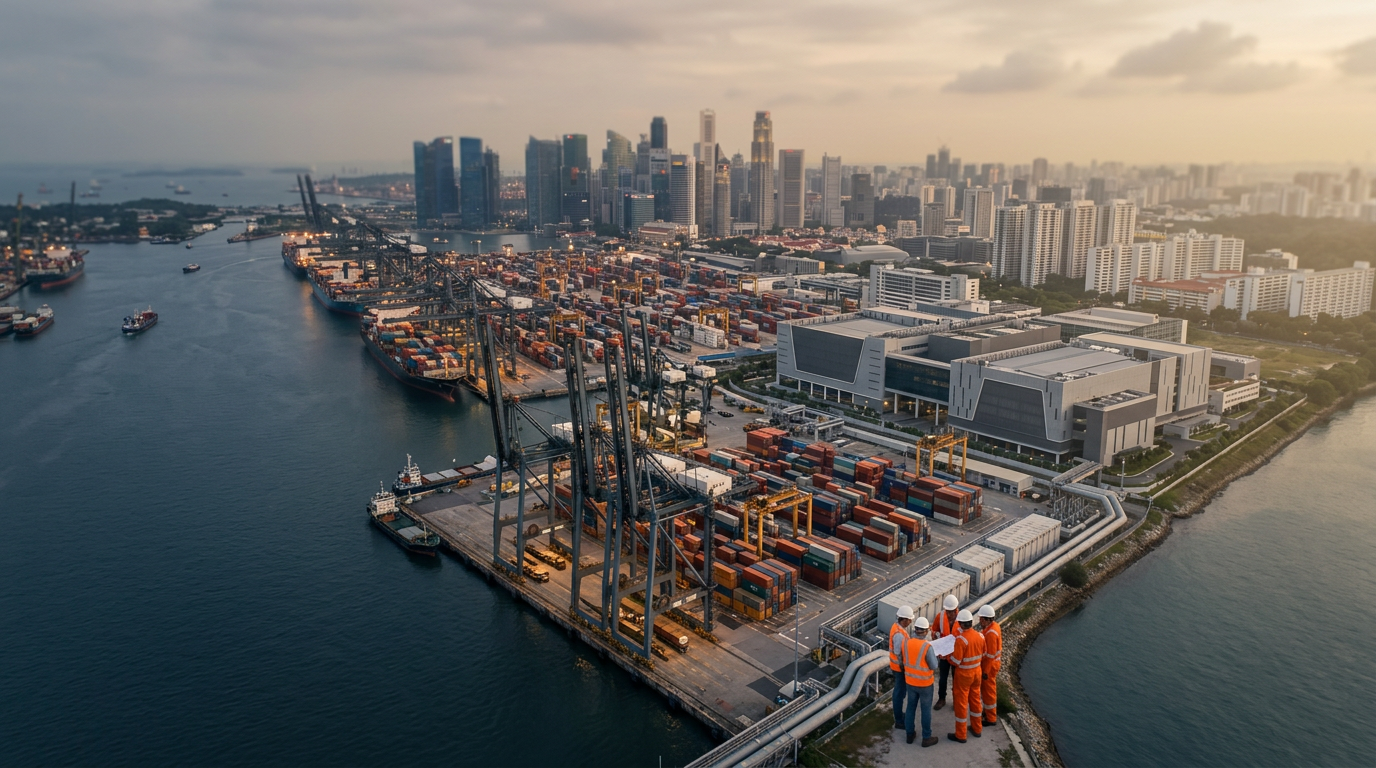
Singapore's economy posted a strong result for the second quarter of 2026, with GDP growth of 5.9% beating earlier estimates. As reported by e.vnexpress.net, the government subsequently raised its full-year growth forecast. While a positive indicator for the region, Singapore's performance also shows the limits of its growth model and highlights the importance of institutional execution across ASEAN, particularly in its largest neighbor, Indonesia.
Institutions and Investable Depth
For any economy, headline growth figures are only one part of the story. The ability to sustain growth depends on deeper institutional factors. Singapore has long been a master of turning its strategic location into economic success through strong, reliable institutions. This has made it a magnet for foreign direct investment (FDI), as capital seeks predictable and well-governed environments.
However, Singapore's physical constraints are becoming more apparent. The very attributes that make it attractive - its density, efficiency, and concentration of talent - also create challenges in land, labor, and energy costs. The next phase of growth cannot simply be a linear extension of the last. It requires new thinking about how Singapore integrates with its neighbors and how it can leverage their scale.
The View from Indonesia
Indonesia, with its immense population and land area, offers a contrasting perspective on the role of scale. While Singapore contends with physical limits, Indonesia's primary challenge lies in developing the institutional capacity to translate its inherent scale into productive assets. As the book "ASEAN Rising" notes, for a large country, "scale matters only when institutions can turn it into investable depth." Announced FDI is one thing; the actual deployment of capital depends on the painstaking work of securing land, permits, and reliable infrastructure.
This is where the economic stories of Singapore and Indonesia become intertwined. Singaporean capital and expertise are flowing into Indonesia, particularly into industrial parks and data centers in places like Batam, just across the Singapore Strait. These projects are, in effect, attempts to export Singapore's institutional know-how to a place with greater physical capacity. Their success depends entirely on the quality of execution on the Indonesian side - the reliability of the power grid, the clarity of land titles, and the availability of skilled local talent.
From Ambition to Execution
The relationship between announced FDI and realized investment is a critical measure of a country's institutional strength. High-profile announcements can generate positive headlines, but long-term economic development is built on the far less glamorous process of implementation. Foreign investors who commit capital need assurance that their projects will not be stalled by bureaucratic hurdles, inadequate infrastructure, or an unprepared workforce.
For Indonesia, the challenge is to build a consistent and predictable environment for investment that extends beyond a few designated economic zones. For Singapore, the challenge is to find ways to support its own growth by facilitating the institutional development of its neighbors. The city-state's future is increasingly linked to the ability of countries like Indonesia to build the administrative and physical infrastructure needed to absorb and deploy large-scale investment effectively.
What to watch next will be the progress of cross-border industrial and infrastructure projects, particularly between Singapore and its immediate neighbors. The speed and efficiency with which land is acquired, power is supplied, and local workforces are integrated will be a direct indicator of whether ASEAN's largest economies can convert their demographic and geographic advantages into sustained, broad-based economic growth.