Singapore
Singapore's FDI Ambitions Test Its Execution Capacity
To absorb and deploy a new wave of capital, Singapore will need to coordinate institutions, infrastructure, and talent. The city-state has a strong record, but a tight labor market and land constraints will test its limits.
Singapore's upward revision of its 2026 economic growth forecast, reported by the Straits Times, is a statement of confidence in its ability to attract and absorb high-value foreign investment. The new target of 4.5% to 5.5% growth reflects the city-state's success in positioning itself as a stable and advanced hub for capital. Yet, as FDI announcements accelerate, the focus must shift to the concrete work of implementation. Realised investment flows depend on the capacity of an economy to deliver the fundamentals that businesses need to operate effectively.
Institutions and Infrastructure
Singapore's economic success is built on a foundation of strong, coherent institutions. The Economic Development Board (EDB), for example, has been effective at not just attracting investment but steering it toward strategic sectors like advanced manufacturing, fintech, and biomedical sciences. This targeted approach ensures that incoming capital aligns with the nation's long-term development goals. The revised growth targets signal a doubling-down on this strategy, aiming to capture a greater share of the capital flowing into Southeast Asia.
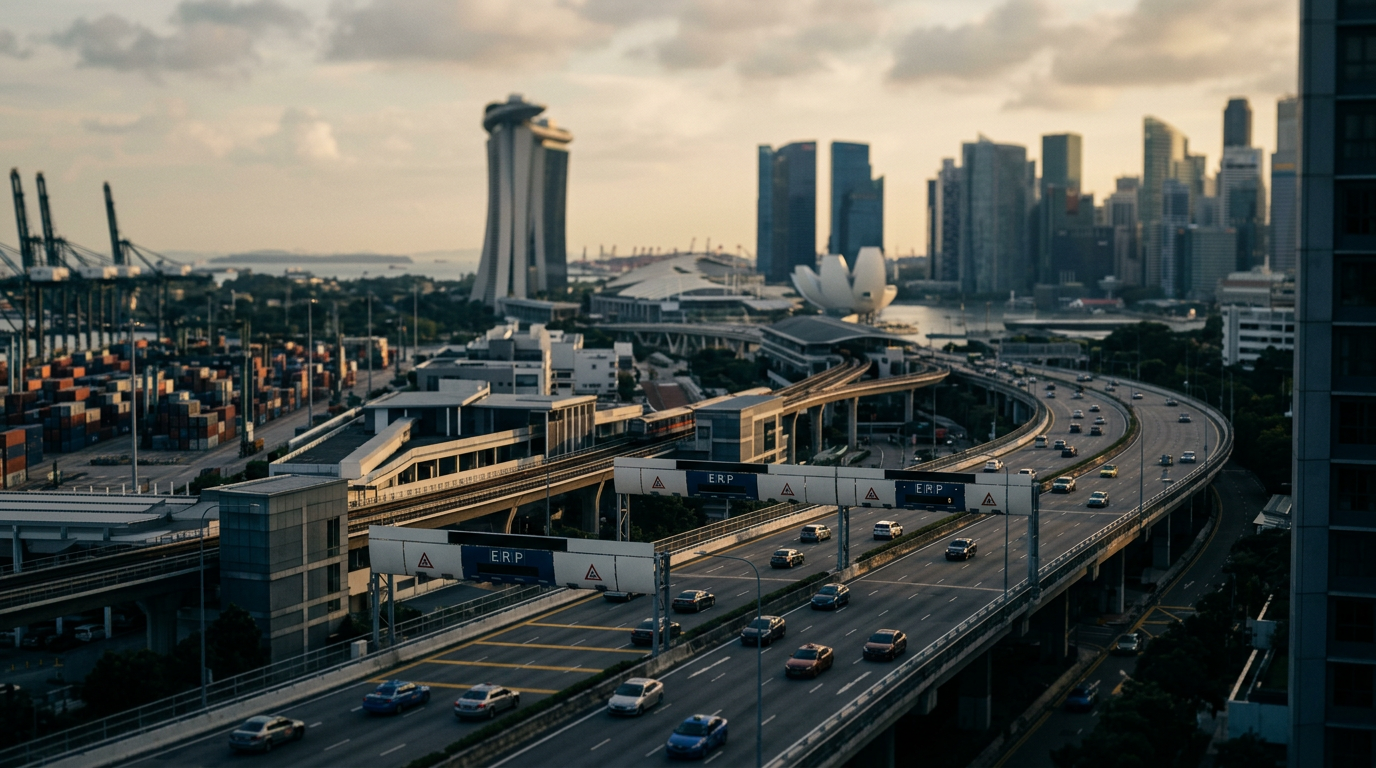
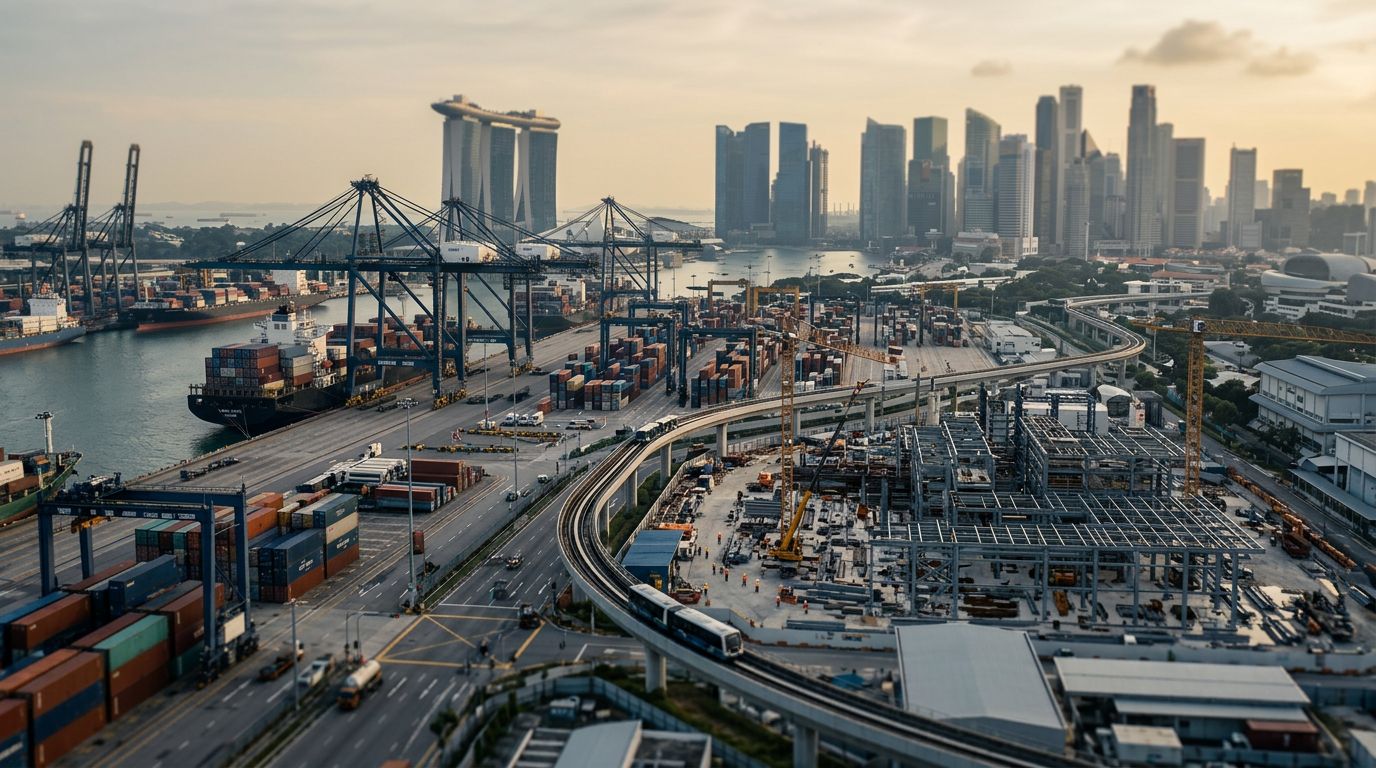
However, this ambition puts pressure on Singapore's physical and human infrastructure. While the country is known for its world-class logistics and digital connectivity, a new wave of investment requires more than just efficient ports and data centers. As "ASEAN Rising" notes, "realised flows depend on the slower work of land, permits, power and talent reaching the ground." In Singapore's context, this means ensuring that industrial land is available and affordable, that the power grid can support energy-intensive manufacturing and data operations, and that the regulatory framework for permits remains efficient and transparent even as the volume of projects increases.
Capital and Talent
Capital attraction is only one side of the equation. Deploying that capital productively depends entirely on the availability of skilled talent. Singapore's human capital is a core part of its value proposition, with a highly educated workforce and policies designed to attract top professionals from around the world. The challenge lies in matching the available talent pool with the specific needs of incoming industries. The push into sectors like artificial intelligence and sustainable technology requires a workforce with specialized, up-to-date skills.
The government has been proactive, with initiatives like SkillsFuture designed to promote lifelong learning and reskilling. But a tight labor market remains a significant constraint. The competition for experienced engineers, technicians, and managers is intense. For Singapore to meet its growth targets, it must ensure that its education system, immigration policies, and corporate training programs work in concert to develop and retain the talent needed to turn investment announcements into operational businesses.
What to watch
Moving forward, the key indicators to watch will be less about the headline FDI numbers and more about the underlying execution capacity. Observers should monitor trends in industrial land prices, energy consumption and grid upgrades, and labor market data, particularly in high-skill sectors. The government's ability to coordinate its various agencies to smoothly manage the on-the-ground delivery of land, power, and talent will determine whether Singapore's ambitious growth forecasts for 2026 become a reality.