Vietnam
From Blueprint to Blacktop: Vietnam's Infrastructure Test
Vietnam's expanded 10,000km expressway plan is ambitious. The real test lies not in the announcement, but in the institutional capacity to execute, manage capital, and deliver on time, a central theme in ASEAN Rising.
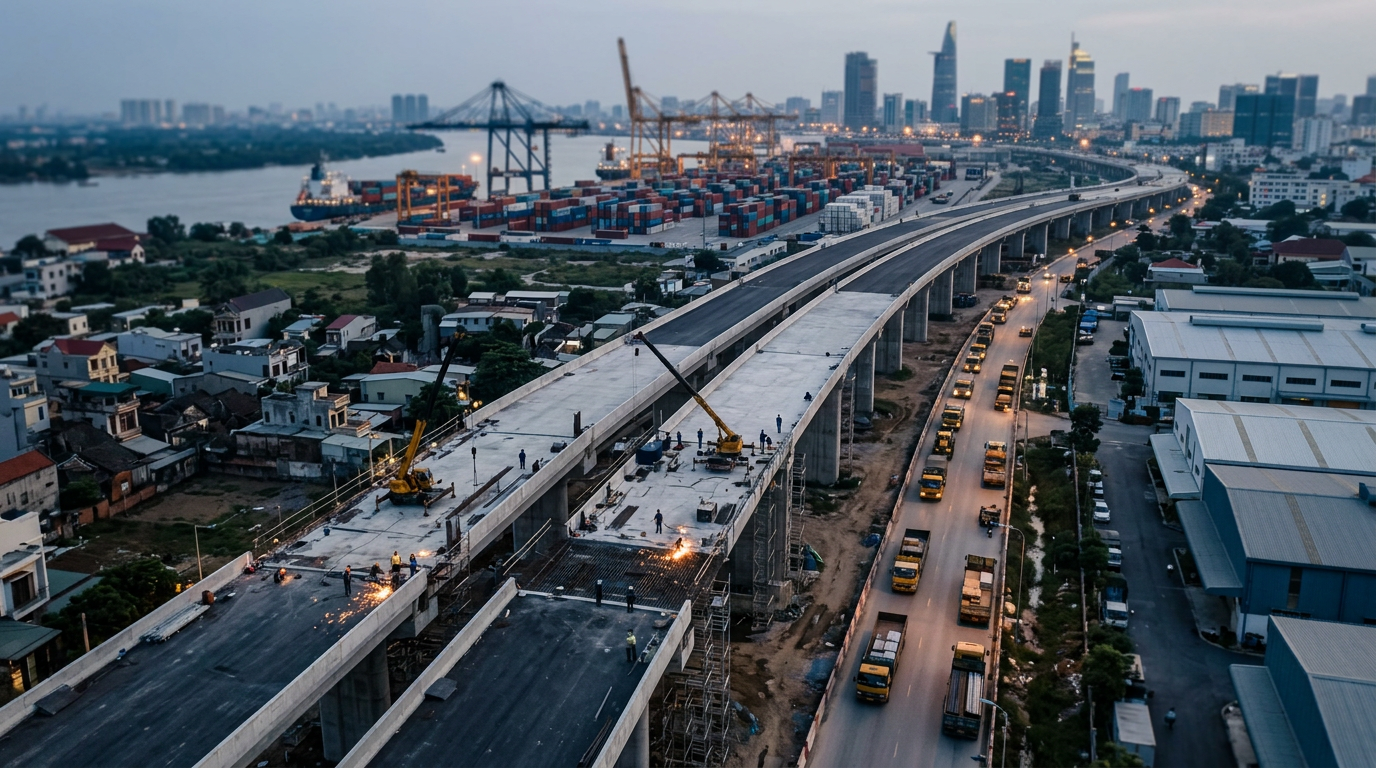
Vietnam has revised its national road network plan, expanding its expressway ambitions to a total of 46 routes covering approximately 10,106 kilometers by 2050. The updated strategy, reported by vietnamnet.vn, signals a clear intent to build a modern logistics backbone to support its growing economy.
The National Logistics Imperative
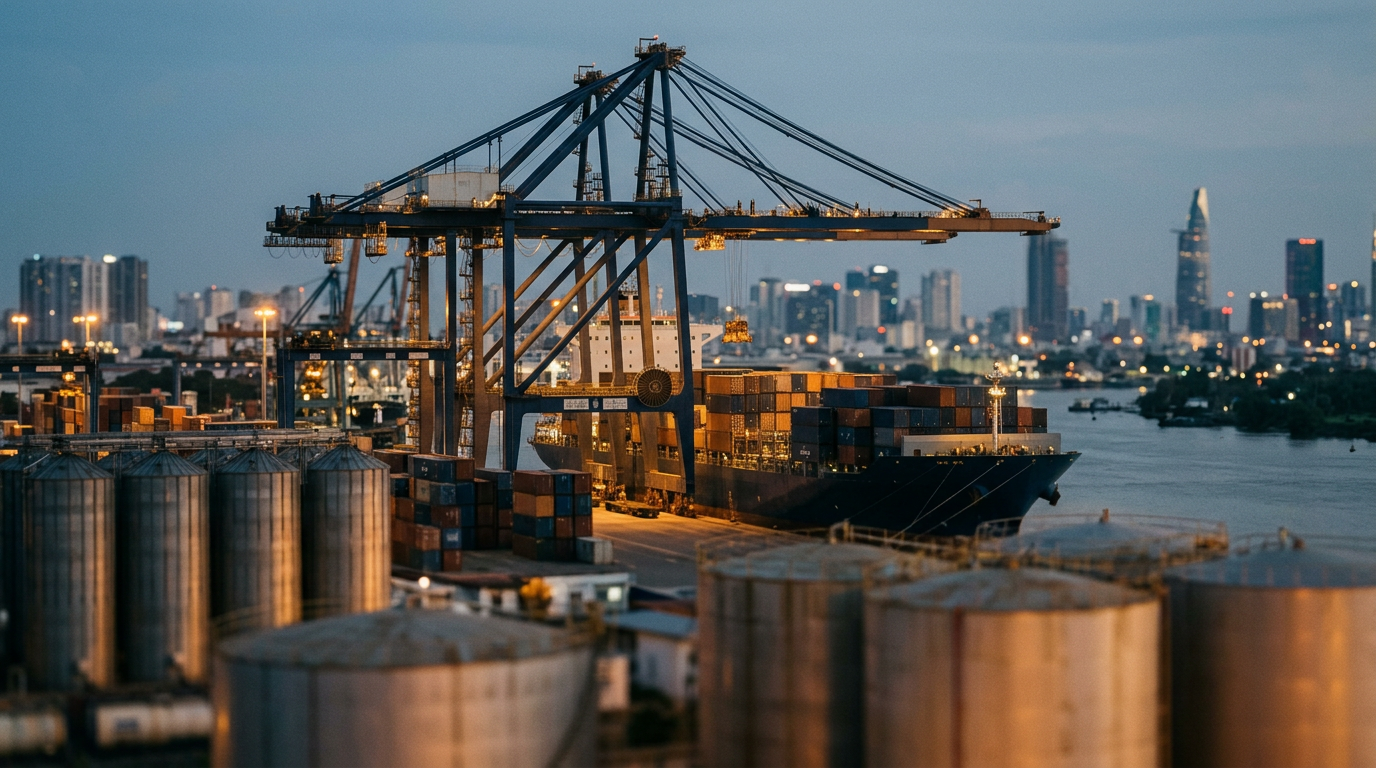
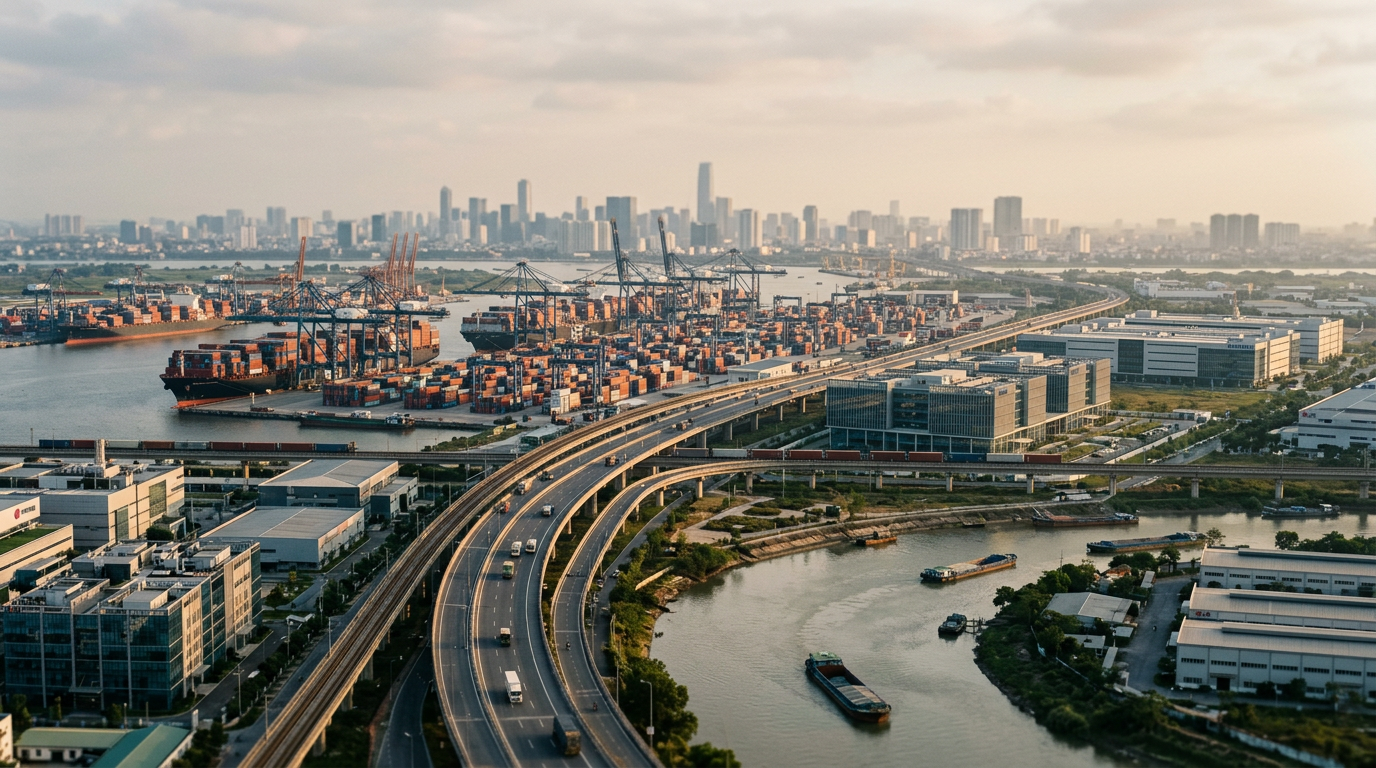
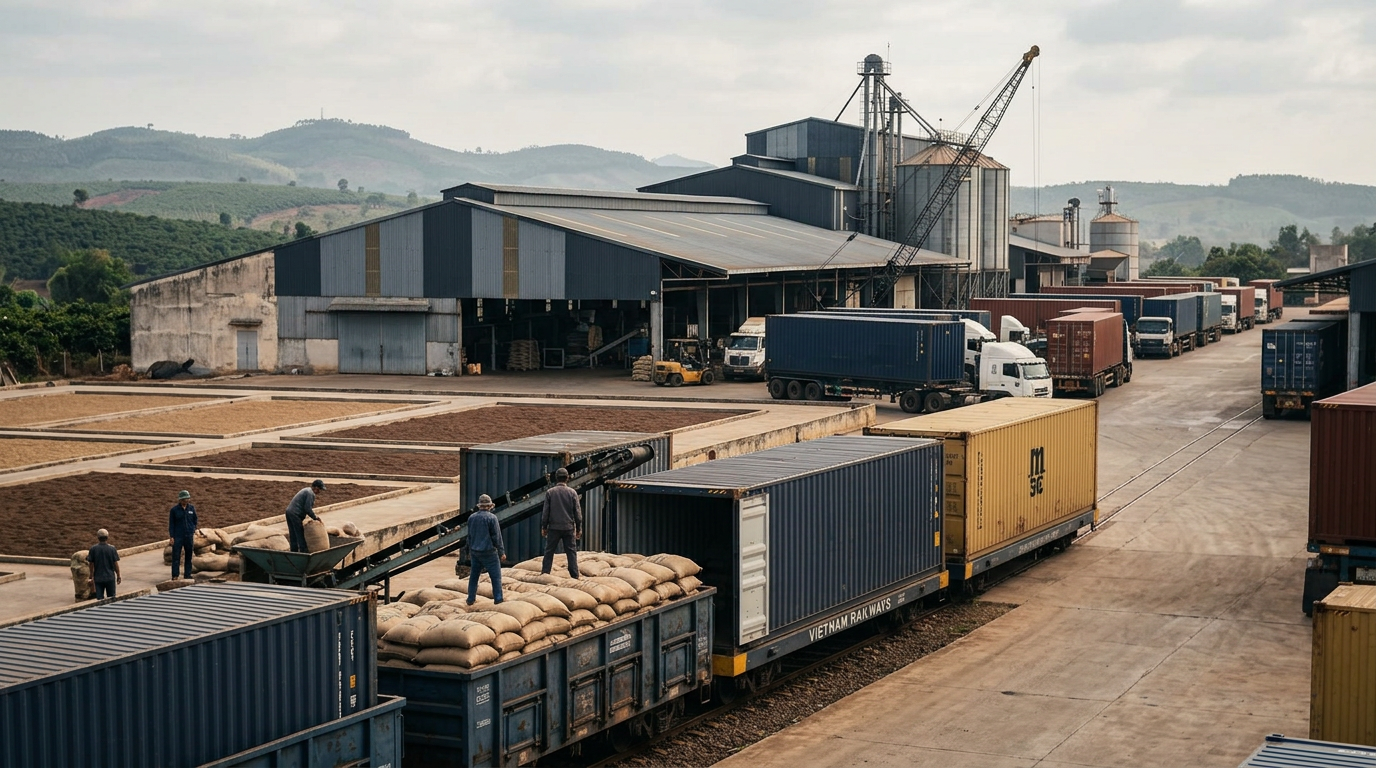
Vietnam's economic trajectory is inextricably linked to the efficiency of its supply chains. The expanded expressway plan is a direct response to a pressing national imperative: lowering logistics costs, which currently represent a substantial portion of product GDP, and improving connectivity between production hubs, ports, and borders. The strategy is not merely about more roads, but the right roads. Key arteries of the proposed network aim to decongest the perennially clogged National Highway 1 and create high-speed corridors linking northern manufacturing clusters in provinces like Bac Ninh and Hai Phong-home to major electronics assemblers-with the deep-water port at Cai Mep-Thi Vai and the southern industrial belt around Ho Chi Minh City. Further, the plan envisions enhancing connections to border gates with China, Laos, and Cambodia, positioning Vietnam as a more integrated node in mainland Southeast Asia's production networks. By facilitating the swift movement of goods, from agricultural products in the Mekong Delta to finished electronics in the Red River Delta, the network is designed to enhance the country's export competitiveness and deepen domestic market integration.
Between Ambition and Execution
Grand infrastructure plans are a common feature in rapidly developing nations, serving as powerful signals of long-term vision. However, the path from blueprint to functioning asset is fraught with challenges that test the very capacity of the state. It is in the execution, not the announcement, where competitive advantage is truly forged. As detailed in the book ASEAN Rising, institutional reliability has become a decisive factor in economic performance. The ability to deliver projects on schedule and within budget is what ultimately attracts and sustains the necessary capital. The book pointedly observes that "Infrastructure that arrives on time signals more than infrastructure that is merely announced."
Vietnam's 10,000-kilometer expressway goal now becomes a national-scale examination of this principle. The primary hurdles are not matters of engineering but of administration and finance. Land acquisition, for instance, remains one of the most significant sources of delays for large projects in Vietnam. The process is often slow, contested, and lacks the streamlined legal mechanisms to balance public need with private rights efficiently. Furthermore, mobilizing the colossal amount of required capital-estimated to be in the tens of billions of dollars-is beyond the sole capacity of the state budget. This places enormous pressure on the country's Public-Private Partnership (PPP) framework. While laws are in place, international investors often remain cautious, weighing the potential rewards against risks related to traffic volume guarantees, currency fluctuations, and the perceived stability of the regulatory environment over the multi-decade lifespan of a concession agreement.
Institutions as Critical Infrastructure
Ultimately, the successful delivery of this expressway network depends on an infrastructure of a different sort: the unseen architecture of a modern, effective state. It requires what ASEAN Rising describes as a "usable state"-one characterized by predictable rules, transparent procedures, and the institutional integrity to enforce them. For the global construction firms and investment funds that Vietnam hopes to attract, this translates into tangible assurances: a clear and efficient process for permitting, an impartial system for resolving contract disputes, and a stable legal framework that protects long-term investments. Without these foundational elements of trust, projects stall, costs inflate, and the immense economic benefits of the new roads remain locked in planning documents.
This institutional agenda is the critical variable in de-risking infrastructure as an asset class for private capital. As the nations of Southeast Asia compete for foreign investment to fuel their growth, the ability to demonstrate low administrative friction and high regulatory predictability becomes a powerful differentiator. Vietnam's effort is therefore a crucial case study within the broader story of ASEAN , where governments are increasingly recognizing that reforming state capacity is a prerequisite for achieving long-term development goals. Building a reliable bureaucracy, staffed with skilled talent in project finance, law, and management, is as vital as pouring the concrete. It is this capacity that builds trust-not just with investors, but with citizens and the business community who rely on the state to deliver its promises.
What to watch
What to watch is not the headline target for 2050, but the near-term project completion rates and the flow of private capital into specific expressway sections. The government's ability to streamline land acquisition and resolve bottlenecks in its PPP framework will be leading indicators. These factors will determine whether Vietnam's ambitious plan becomes a functional economic backbone or remains a vision on paper.