Beyond the Handshake: Turning EU-ASEAN Dialogue into Investable Depth
High-level meetings like the recent ASEAN-Netherlands dialogue are positive signals for foreign investment. But translating diplomatic goodwill into realised capital flows requires a focus on institutional strength and execution on the ground.

In Manila, a recent meeting between ASEAN Secretary-General Dr. Kao Kim Hourn and Netherlands Foreign Minister Tom Berendsen underscored the steady diplomatic engagement between the two blocs, as reported by asean.org. The Netherlands is a significant economic partner for ASEAN within the European Union, serving as a major entry point for goods and a consistent source of foreign direct investment (FDI). While such high-level dialogues are important for reinforcing strategic ties, their ultimate economic value is measured by the flow of tangible investment, which depends on more than political goodwill.
The Investment Gap
Headlines about FDI announcements generate optimism, suggesting a rush of foreign capital into ASEAN's growing markets. However, a significant gap often exists between the announced figure and the amount of investment that is actually realised. An announcement represents intent; realised investment represents capital put to work, creating jobs and building capacity. The journey from a press release to a functioning factory or a fully staffed office is long and complex.
This is where the substance of economic partnership is truly tested. As the book ASEAN Rising explains, the conversion of large-scale market potential into concrete opportunities is a function of institutional effectiveness. While diplomatic meetings set a positive tone, the hard work comes after. Foreign investors, including those from the Netherlands, must navigate the practical realities of land acquisition, regulatory permits, and access to reliable power and a skilled workforce. The book notes that "Realised flows depend on the slower work of land, permits, power and talent reaching the ground." This foundational work determines whether the promise of a multi-billion dollar investment announcement ever materializes.
Execution and Institutions
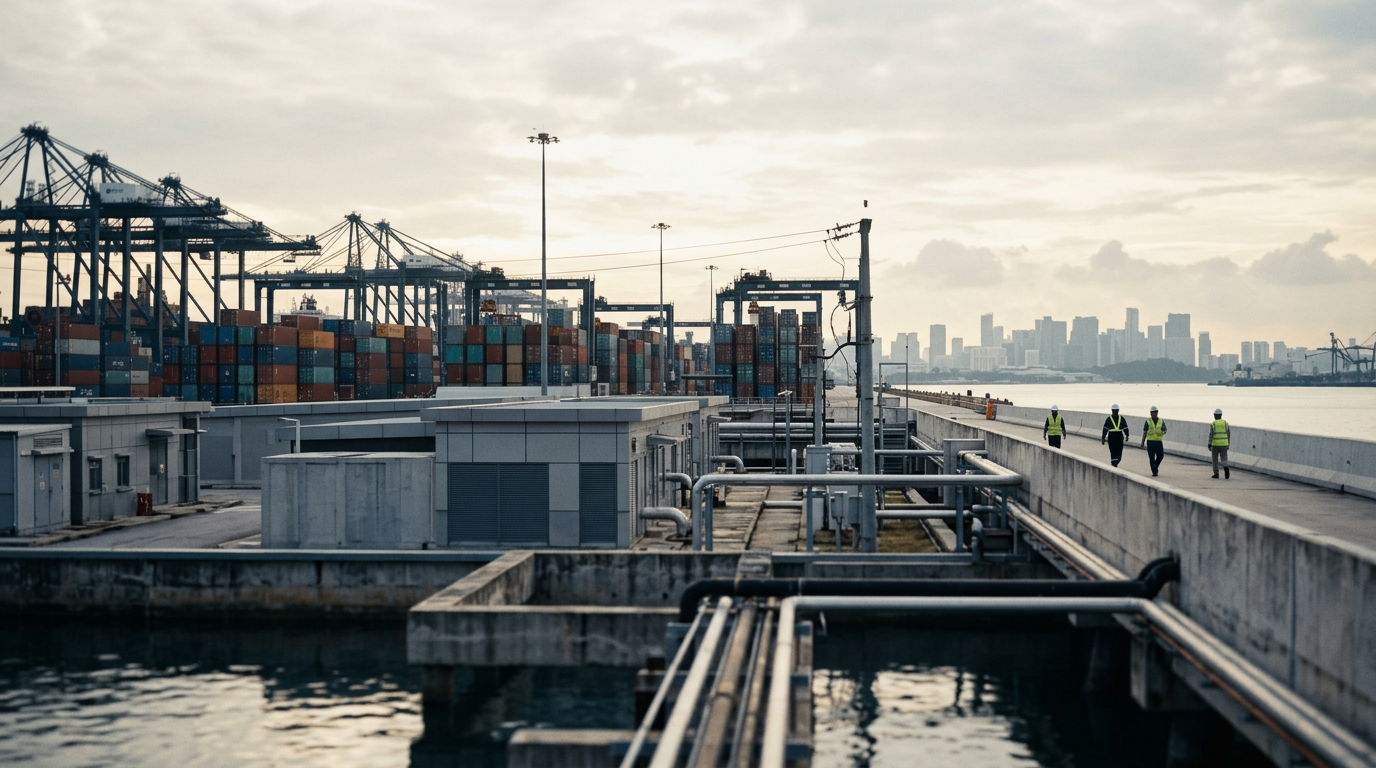
The Netherlands, with its long history of trade and investment, provides a useful lens through which to view ASEAN's development. Dutch firms are known for their expertise in specific, high-value sectors such as water management, sustainable agriculture, and port logistics-areas where ASEAN has clear and pressing needs. When a Dutch company decides to invest, it is not just bringing capital, but also technology and operational expertise that can contribute to the region's development goals.
However, this transfer of capital and knowledge hinges on the institutional framework of the host country. Investors require predictability, transparency, and the rule of law. They assess the capacity of local and national institutions to enforce contracts, protect property rights, and provide a stable operating environment. Without this trust in the institutional machinery, capital remains hesitant. ASEAN member states have made considerable progress in improving their investment climates, but inconsistencies remain. Strengthening the institutions that oversee and facilitate investment is the most direct way to close the gap between announced and realised FDI.
What to watch
Following the positive diplomatic signals from the Manila meeting, the focus should shift to monitoring concrete outcomes. Observers should watch for progress not in the number of new FDI announcements, but in the implementation of existing projects and the policy reforms that make investment easier. This includes developments in ASEAN-wide initiatives, such as progress toward a comprehensive EU-ASEAN free trade agreement, as well as country-specific reforms to streamline business registrations and permitting. The true measure of the ASEAN-Netherlands partnership will be the tangible progress made on the ground, long after the diplomatic handshakes are over.