ASEAN Energy Grids Test Institutional Reliability
The dream of an integrated ASEAN power grid is not new. But as electricity demand from new technologies like AI is set to surge, the project is less a matter of ambition and more one of necessity. The real test is whether ASEAN's institutions can deliver.
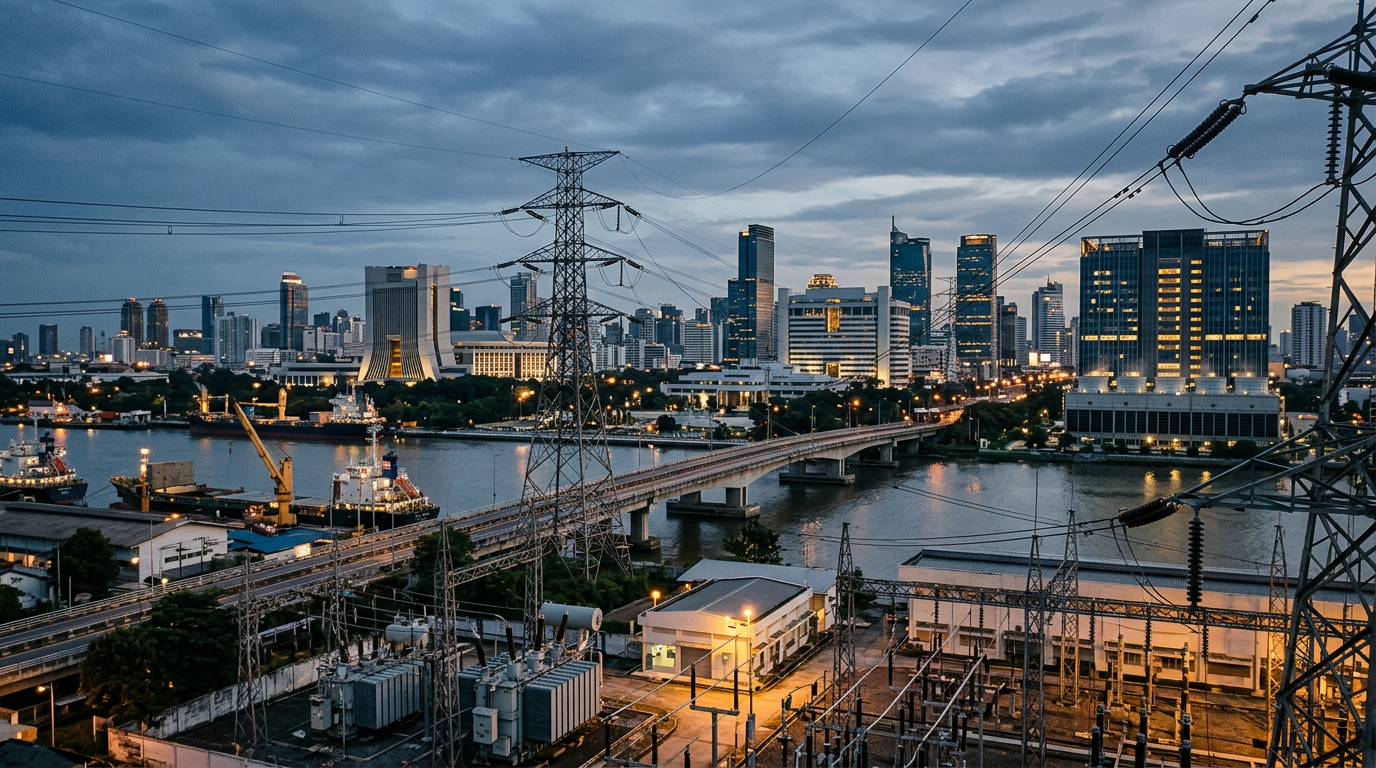
A recent article in The Edge Singapore highlights a growing consensus: ASEAN's energy security in a volatile world is increasingly tied to the development of integrated regional power grids. The logic is straightforward. Interconnected grids can balance supply and demand across borders, improve stability, and facilitate the broader adoption of renewable energy sources. As the global energy landscape fragments and electricity demand from artificial intelligence and other digital technologies accelerates, the case for integration becomes a matter of economic necessity.
However, the path to an integrated ASEAN Power Grid (APG) is fraught with non-technical obstacles. The vision is decades old, but progress has been slow, marked by bilateral agreements rather than a truly multilateral system. The primary hurdles are not engineering challenges but matters of policy, regulation, and trust.
The Execution Deficit
The gap between ambition and reality is a familiar story in regional infrastructure projects. Grand announcements are common, but the complex, behind-the-scenes work of regulatory harmonization and building institutional capacity is where momentum often fades. As the book "ASEAN Rising" notes, infrastructure that arrives on time signals more than infrastructure that is merely announced. The APG is a case in point. Without aligned legal frameworks, common technical standards, and predictable cross-border tariff structures, private investment will remain hesitant.
For the grid to function, member states must yield a degree of energy sovereignty to a regional or sub-regional authority. This requires a level of political trust that remains underdeveloped. Questions of cost-sharing, dispute resolution, and ensuring equitable benefits are significant points of friction that have historically stalled progress. These are not minor details; they are the core components of the institutional architecture required to turn a blueprint into a functioning asset.
Institutions as Infrastructure
Successful infrastructure is built on a foundation of reliable institutions. In this context, "institutional reliability has become part of comparative advantage." A country or a region that can offer predictable regulatory environments and dependable execution is more attractive to the long-term capital required for large-scale energy projects. The APG requires more than just physical hardware; it demands soft infrastructure in the form of transparent governance and robust, enforceable agreements.
This is where state capacity comes into focus. A usable state, one that can effectively implement policies and honor commitments, is the bedrock of investor confidence. For a transnational project like the APG, this requirement is magnified. It depends on the collective capacity of multiple states to create and sustain a coherent operational framework. The current project-by-project approach, while pragmatic, cannot achieve the network effects and efficiencies of a truly integrated system. A more centralized, rules-based framework for energy trading and transmission is necessary.
What to watch
The progress of the Lao PDR-Thailand-Malaysia-Singapore Power Integration Project (LTMS-PIP) will be a significant indicator of the broader APG's viability. Observers should monitor whether the project can expand to include other member states and if the initial bilateral agreements can evolve into a more standardized, multilateral framework. The ability of ASEAN institutions to facilitate the harmonization of national regulations and grid codes for cross-border electricity trade will determine if the long-held vision of an integrated energy market can finally be realized, or if it will remain an inspiring but unfulfilled ambition.