

ASEAN Rising with Matthew Barsing
Independent commentary on ASEAN business, capital, technology, trade, geopolitics and execution economics.

Founder, author and commentator on ASEAN.
Australian-born and based in Malaysia since 2001, Matthew Barsing is a business leader, author, former Head of Foreign Direct Investment at MDEC, board advisor and commentator on ASEAN business, investment and policy. Author of Unleashing Malaysia's Economic Potential. Advisor to businesses, governments and investors across ASEAN and Central Asia.
- Ex-Head of FDI, MDEC
- Published author
- Board advisor
- NST columnist
- 17M+ views / 12 months
Six pillars. One region.
Equities, debt, IPOs and capital flows across the eleven ASEAN exchanges.
Data centres, AI infrastructure, semiconductors and the region's digital backbone.
Supply chains, FTAs and the tariff actions reshaping Southeast Asian exports.
ASEAN centrality, US, China competition and the diplomacy of the region.
FDI, sovereign capital and the private deal flow underwriting the next decade.
The capacity to convert policy and capital into compounding returns.
From the desk
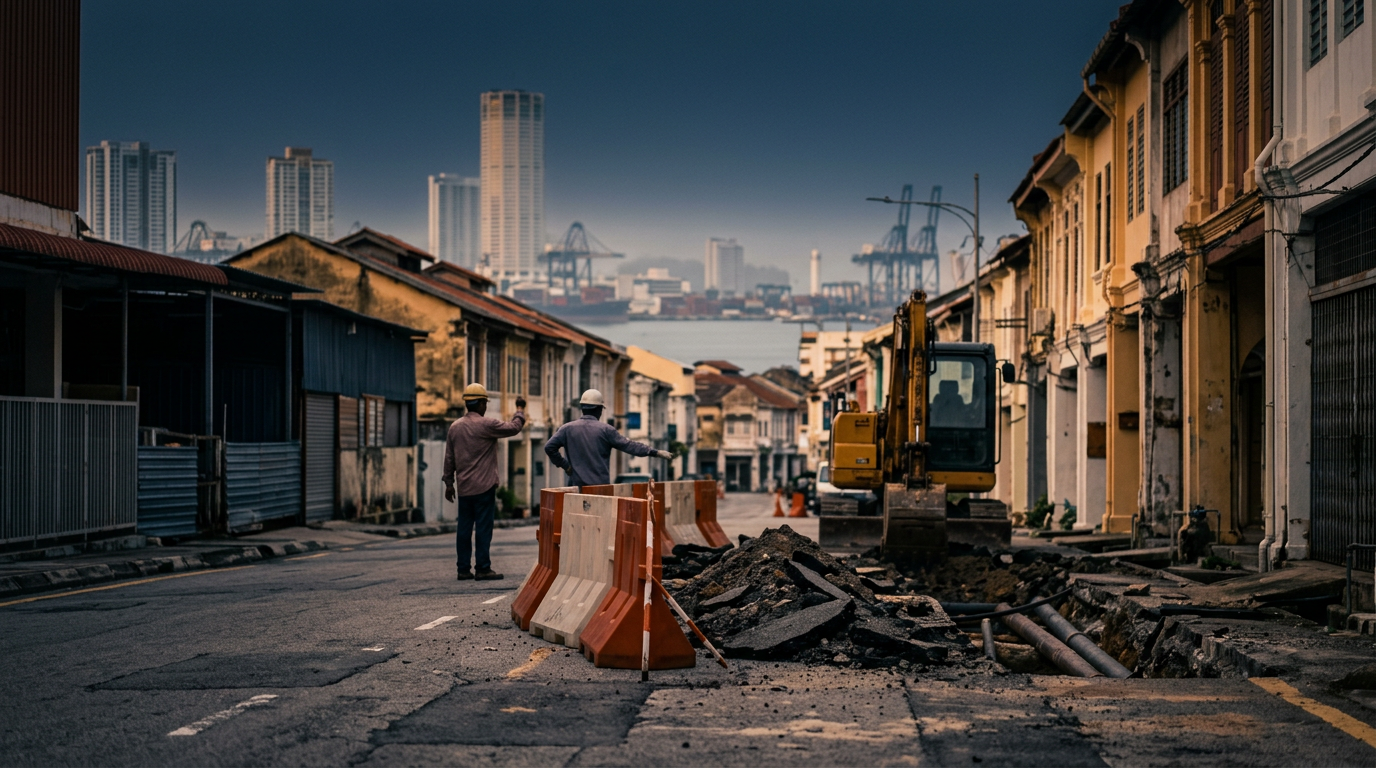
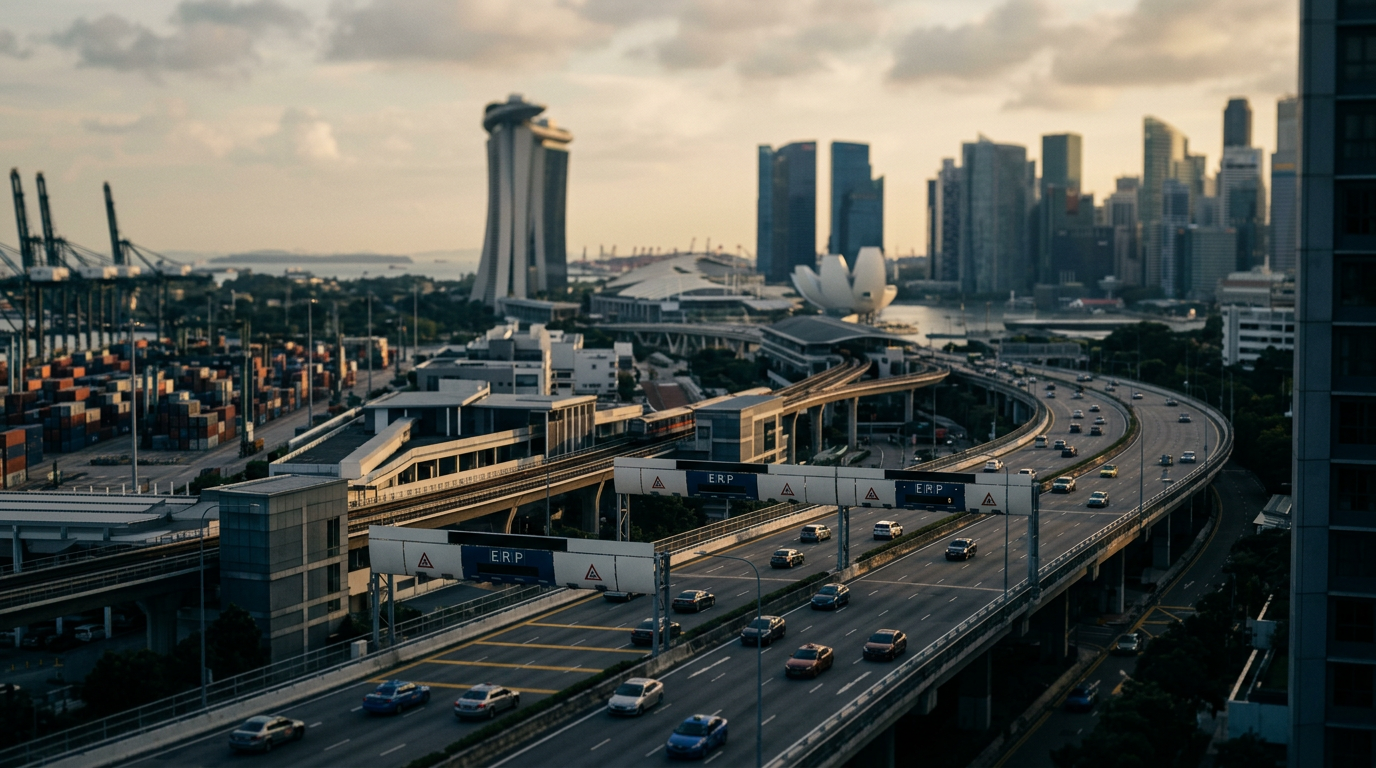
 Singapore
Singapore's COE System Tests Institutional Reliability
High Certificate of Entitlement premiums in Singapore are a recurring test of the country's institutional capacity. The Land Transport Authority must balance market signals with the long-term needs of a usable state.
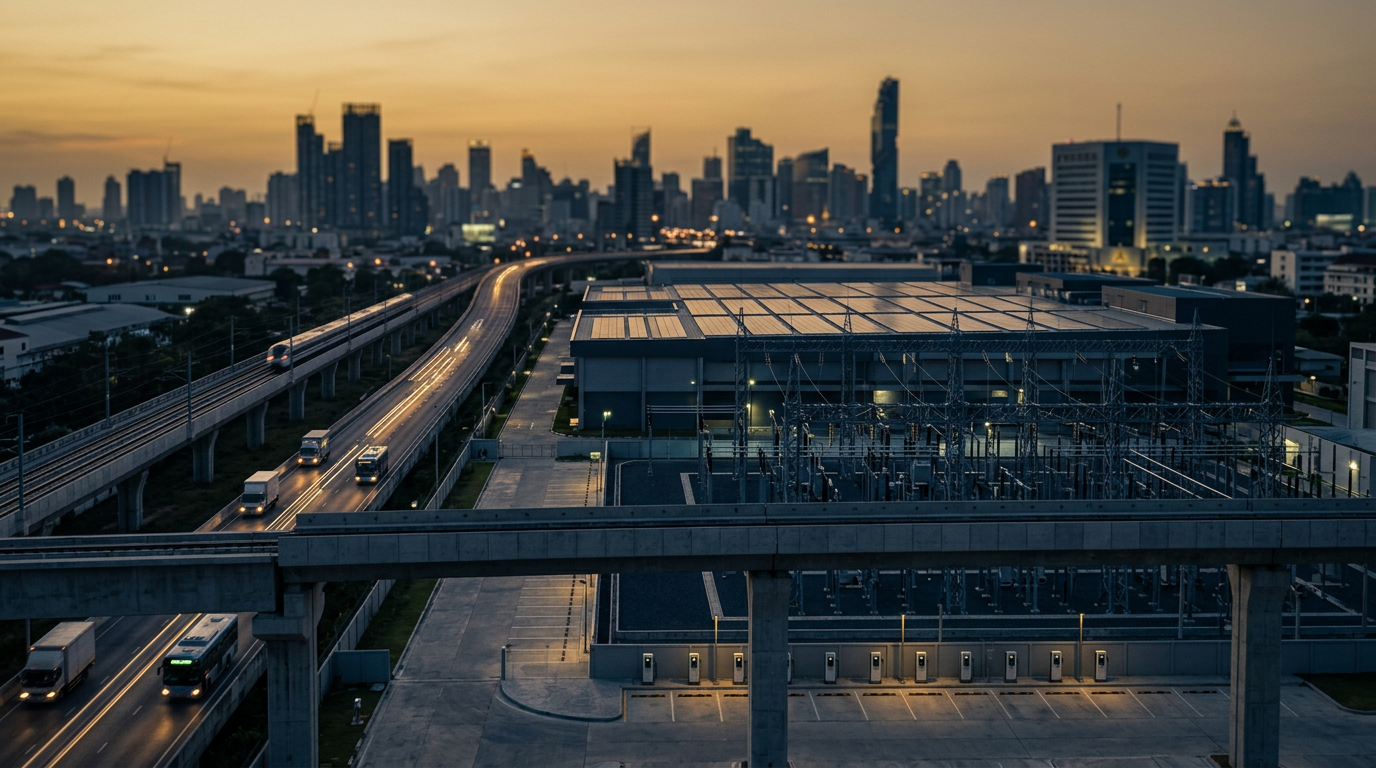
 Thailand
Thailand's EV Transition and the Reliability Test
Thailand's EV ambitions depend on more than just attracting foreign investment. The government must also execute on its own promises to build a predictable, reliable institutional framework for a new generation of industry.
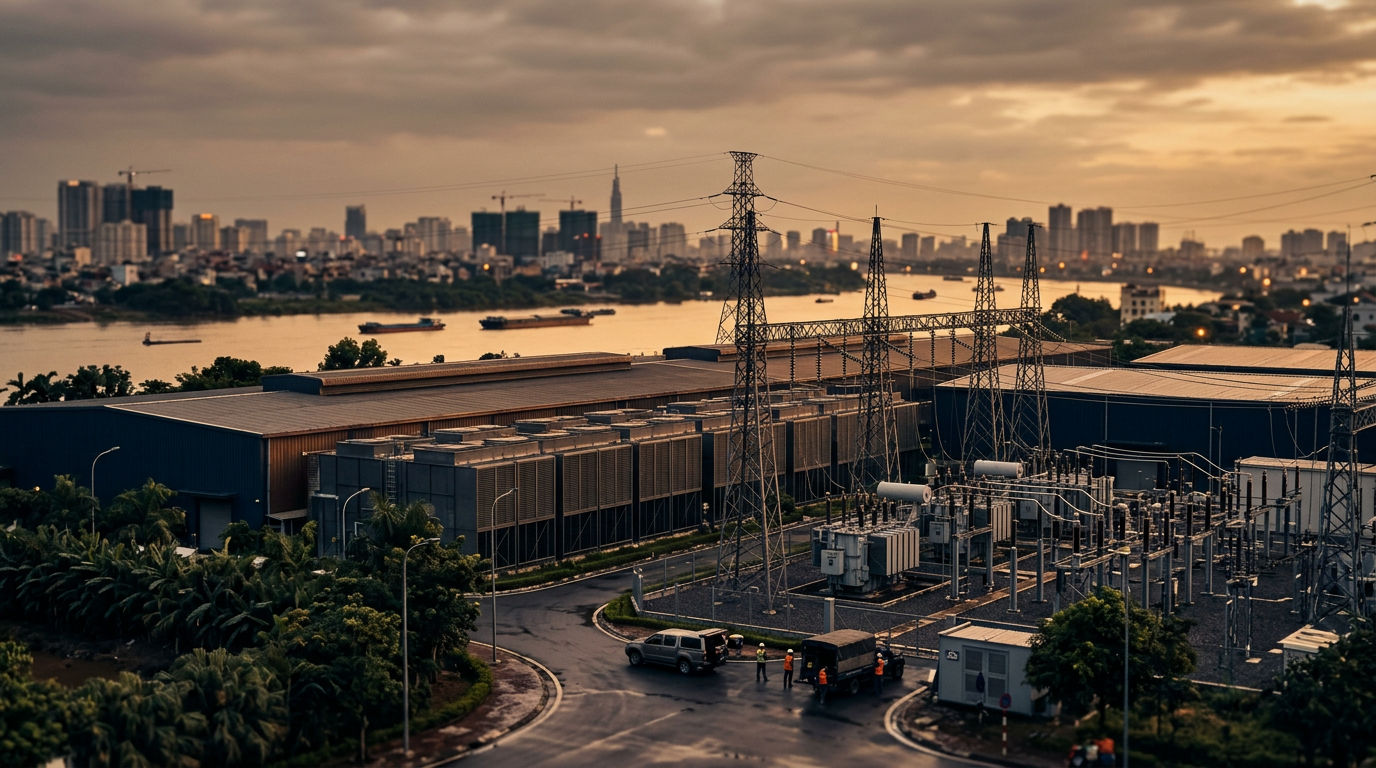
 Vietnam
Vietnam's Data Center Boom Hinges on Dependable Energy
Vietnam's ambition to become a digital hub requires not just more energy, but more reliable energy infrastructure. For data center investors, institutional reliability is as important as the cost per kilowatt-hour.
 Philippines
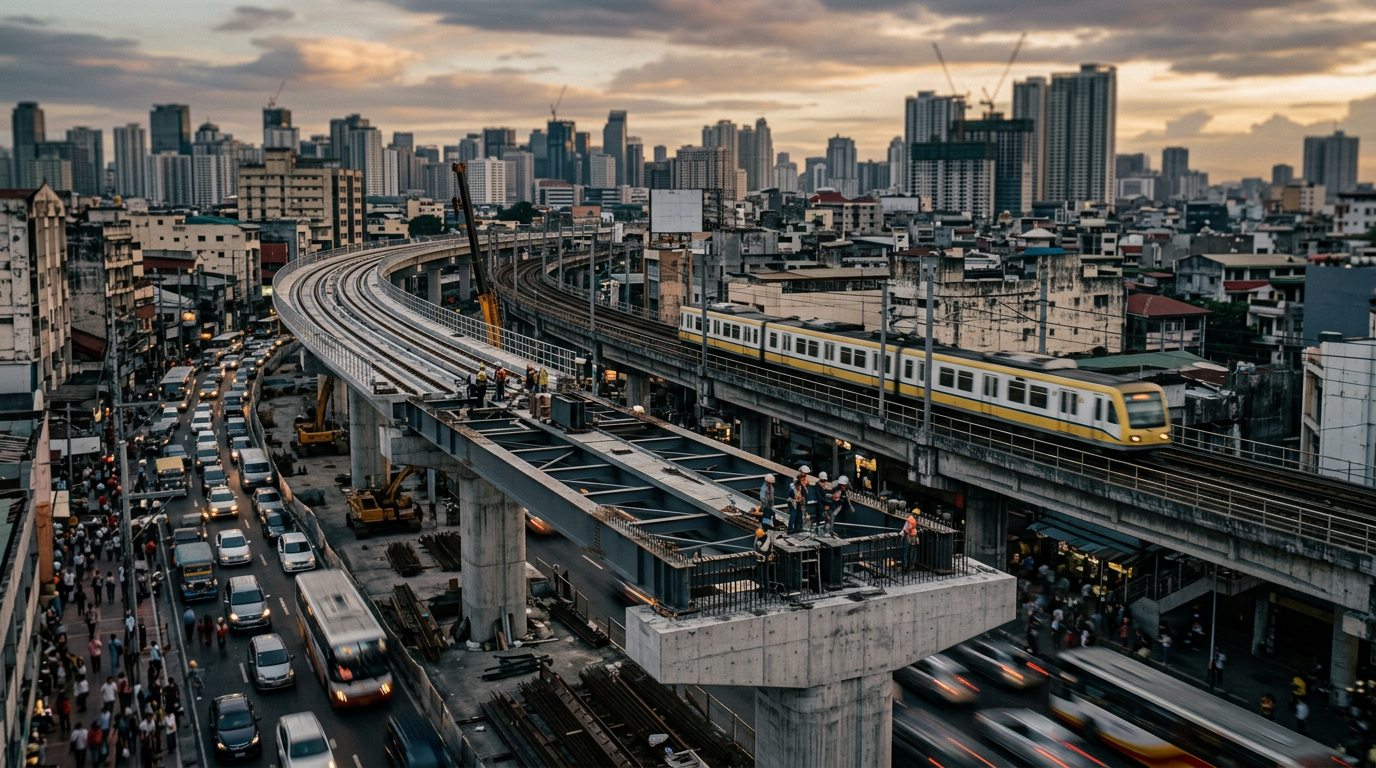
Manila's Metro: A Tale of Two Systems
The Philippines is trying to build a modern metro system in its capital. The project shows how difficult it is to execute large infrastructure projects, and how institutional capacity is as important as the engineering itself.
 Philippines
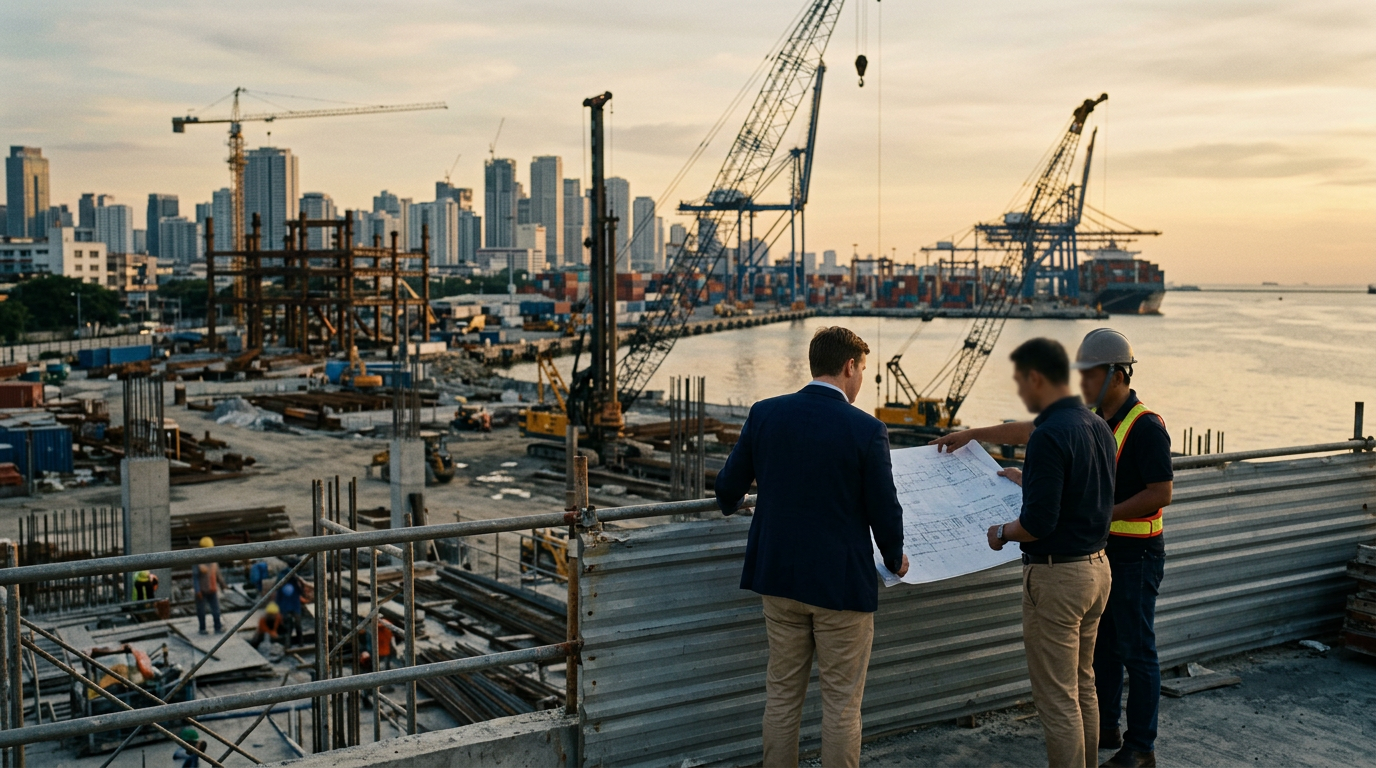
Foreign Investment and Execution Risk in the Philippines
The Philippines has secured significant foreign direct investment commitments, but the recent downward revision of its growth forecast highlights the gap between announcements and reality. Realising these investments requires tackling persistent execution challenges.
 Laos
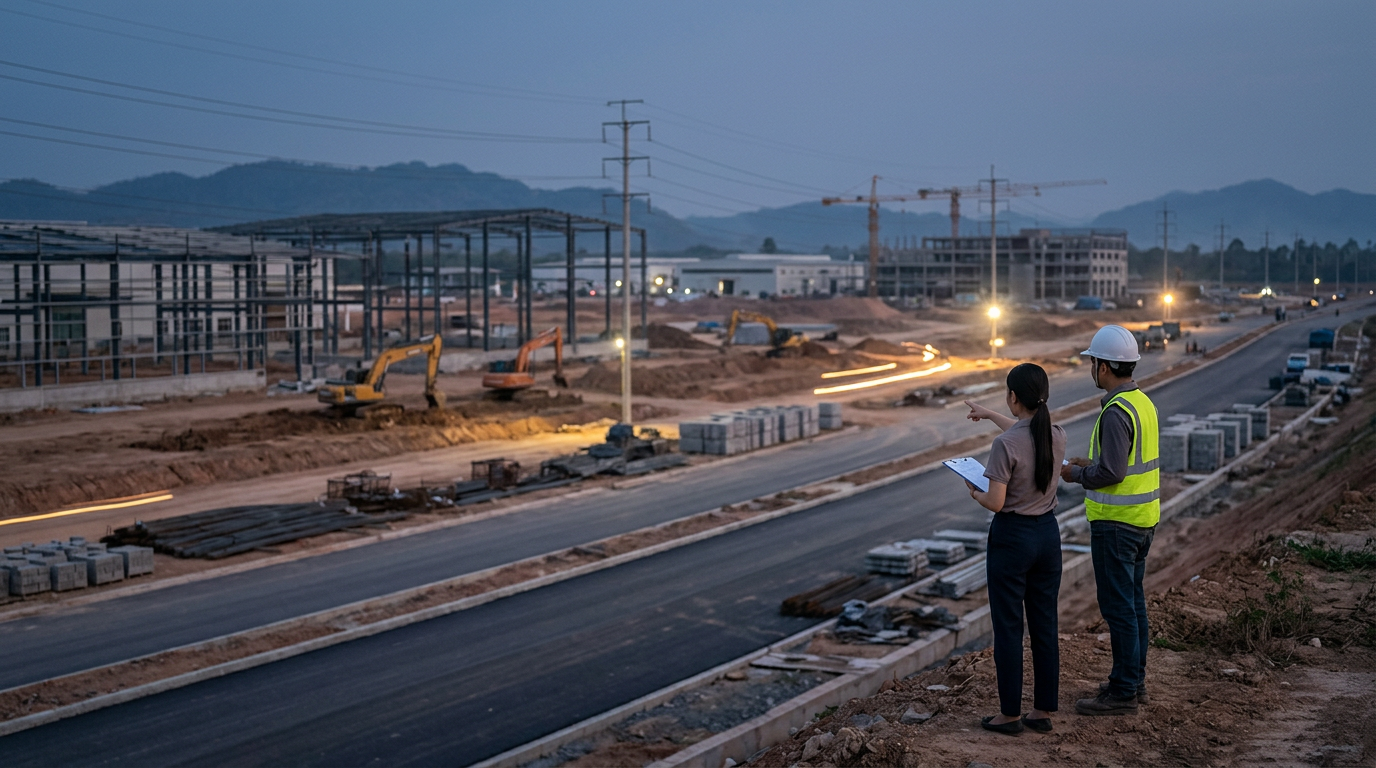
LaosThe Hard Work Starts After the Handshake
FDI commitments require institutional follow-through to become realised investment. Without a focus on the slower work of land, permits, power, and talent, big announcements will not translate into economic depth.
All eleven ASEAN nations.

Trade hub bridging Singapore and Thailand, strong in electronics, palm oil and Islamic finance.
ASEAN's financial and tech capital, home to regional HQs and the world's busiest transshipment port.

Largest ASEAN economy by GDP and population, leader in nickel, digital startups and consumer markets.
Manufacturing powerhouse for autos and electronics, regional tourism and agri-export leader.
Fastest-growing major ASEAN economy, key beneficiary of China+1 manufacturing shifts.
Youthful demographics, services-led growth, BPO and remittance backbone of Southeast Asia.

Energy-rich micro-state diversifying into halal industries, Islamic finance and downstream petrochemicals.

Garment exports, tourism rebound, and rising FDI from China, Korea and Japan.
Hydropower exporter and emerging logistics corridor via the China-Laos Railway.

Resource-rich frontier market navigating political and sanctions risk.

ASEAN's newest member, oil-and-gas dependent and pursuing economic diversification.
Trackers
Inbound foreign direct investment announcements, approvals and realised flows across ASEAN.
Hyperscale, colocation and AI-ready data centre projects coming online in Southeast Asia.
AI infrastructure, model deployments, sovereign AI policy and enterprise adoption across ASEAN.
Bilateral trade flows, FTAs, tariff actions and supply-chain shifts shaping the region.
Rail, ports, power, water and connectivity projects underwriting the next decade of growth.
Conversations with the people shaping Southeast Asia.
Founders, ministers, investors, diplomats and business leaders, in long form.